Blogs

How to Formulate Rubber Compounds for Maximum Abrasion Resistance

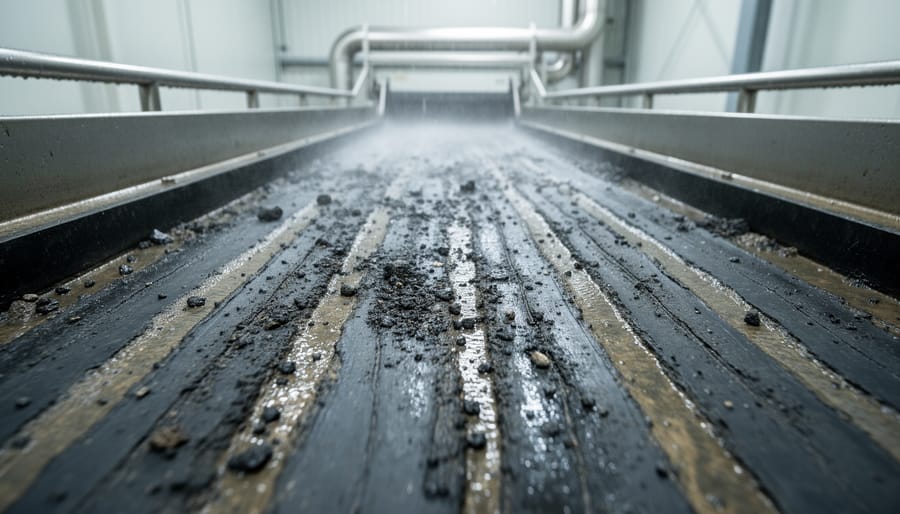
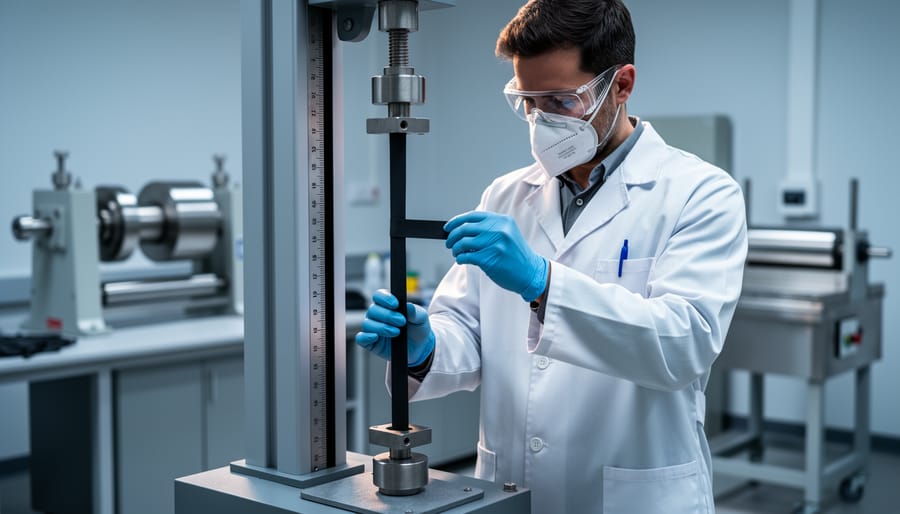
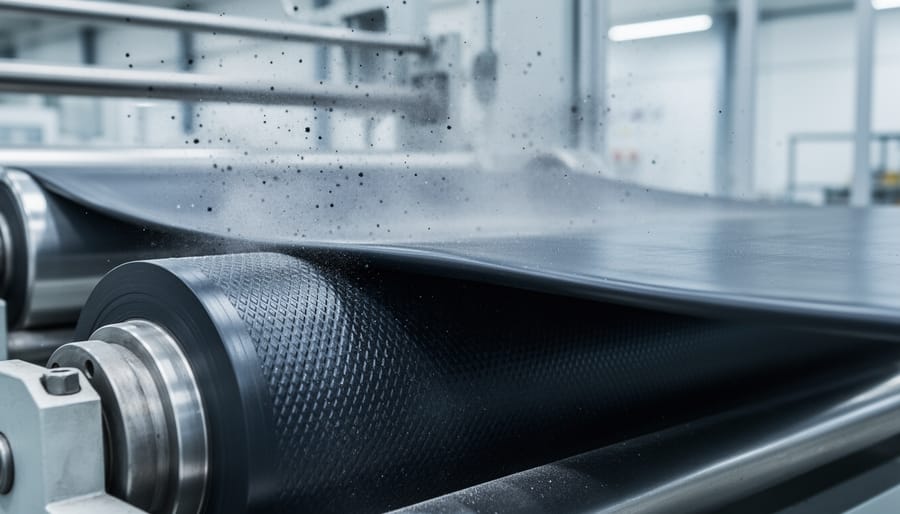
Achieving superior rubber abrasion resistance requires a systematic approach to compound formulation that balances polymer selection, reinforcing filler optimization, and protective additive integration. For high-wear applications in automotive seals, conveyor belts, and industrial components, the formulation strategy centers on maximizing polymer chain entanglement, enhancing filler-matrix adhesion, and incorporating antioxidant and antiozonant systems that preserve mechanical properties under cyclic stress. The performance difference between standard and optimized compounds can exceed 300% in laboratory abrasion testing, translating …

What Are Weatherproof Materials for Home Exteriors (and How Do They Work)?

Weatherproof materials for home exteriors are engineered building products designed to resist moisture infiltration, temperature fluctuations, UV degradation, and mechanical stress while maintaining structural integrity and aesthetic performance over extended service cycles. These materials function as the primary barrier between interior environments and external weather conditions, making their selection and specification critical to building longevity and occupant comfort.
The building envelope represents one of the most demanding applications in construction engineering. Exterior materials face continuous exposure to rain, snow…

What Are Automotive Protective Films (and How Do They Absorb Stone Chips and Road Abrasion)?

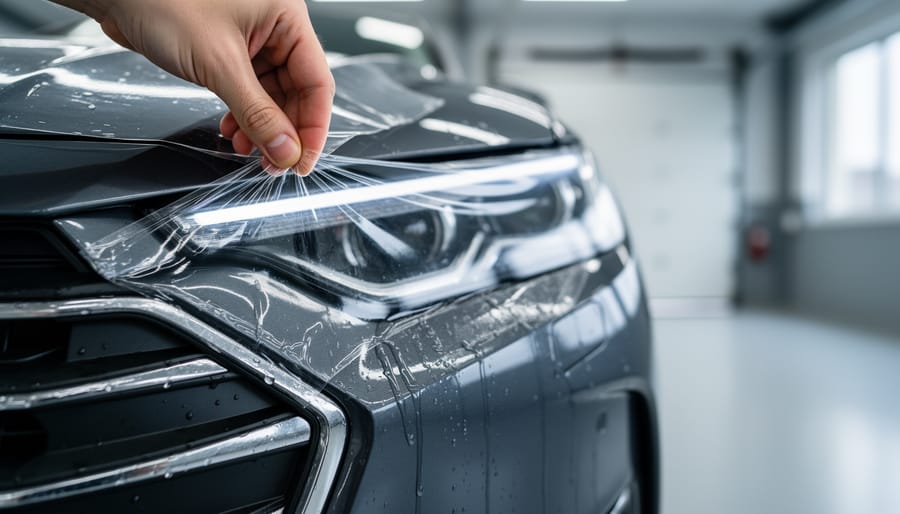
Automotive protective films are engineered polymer laminates designed to absorb and dissipate the kinetic energy from stone chips and road abrasion before damage reaches the vehicle’s painted surface. These multi-layer thermoplastic urethane systems function through a combination of viscoelastic deformation, energy distribution, and surface healing properties that transform high-velocity impacts into manageable stress patterns across the film structure.
Understanding how these films mechanically respond to road hazards is essential for fleet managers and automotive engineers tasked with specifying protection systems that …

What Are Subreddit Analytics Metrics (and How Do They Work)?

Subreddit analytics metrics are quantitative measurements that track community engagement, content performance, and user behavior patterns on Reddit’s topic-focused forums. These data points range from basic subreddit stats like subscriber counts and post frequency to advanced indicators including comment velocity, upvote ratios, and cross-posting networks.
For professionals in technical B2B sectors, these metrics provide direct access to unfiltered industry conversations. Engineers discussing material failures in automotive applications, procurement teams …

TPE vs. Silicone for Sealing Applications: Which Material Is Right for You?

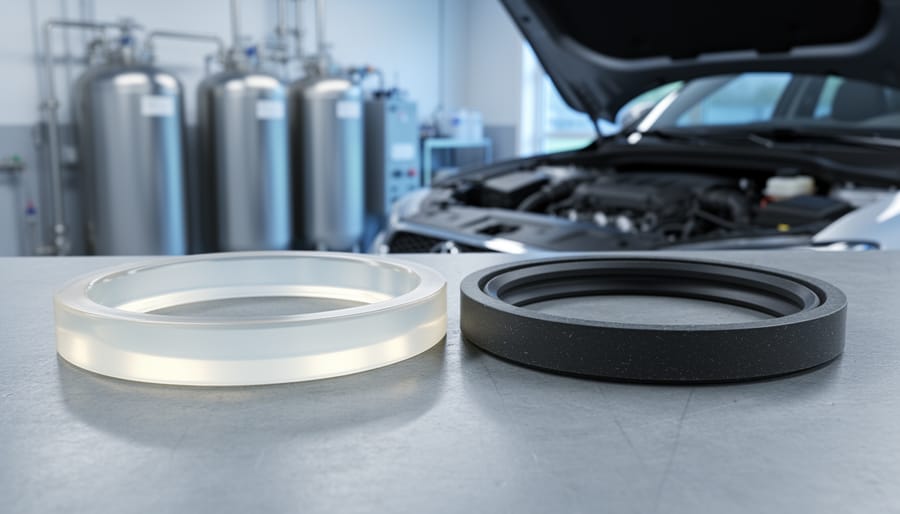
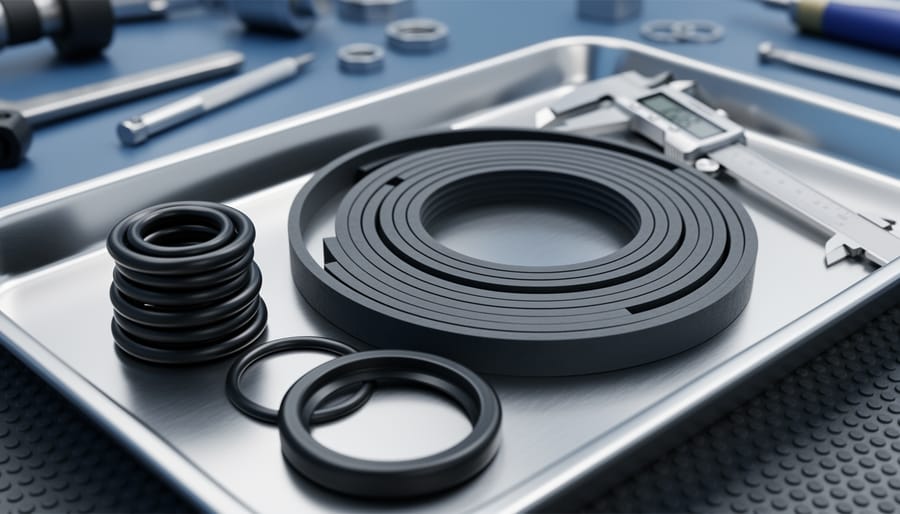
For sealing applications requiring sustained chemical exposure and high-temperature stability, silicone outperforms TPE, but when low-temperature flexibility, cost efficiency, and recyclability drive your material selection, TPE delivers superior value. After years of engineering custom sealing solutions across automotive and chemical processing environments, we’ve found that the choice between these elastomers hinges on three critical factors: your operating temperature range, exposure conditions, and lifecycle cost requirements.
Both materials occupy essential positions in modern sealing applications, yet they solve …

Why High-Tech Industrial Materials Fail in Extreme Wear Environments (And What Works Instead)

High-tech industrial materials often fail in high-wear environments not because they lack sophistication, but because their design priorities target the wrong performance criteria. While advanced polymers and composite materials excel in controlled laboratory conditions, they frequently underperform when exposed to abrasive slurries, chemical attack, dynamic loading, and temperature extremes that define critical industrial applications. Specification rubber compounds, engineered for specific service …

Why Specification Rubber Outperforms Standard Materials in Critical Applications

Specification rubber refers to elastomeric materials engineered and manufactured to meet defined industry standards, performance benchmarks, or customer-specific requirements for critical applications where standard rubber compounds fall short. Unlike commodity rubber products, specification-grade materials undergo rigorous testing and certification to verify compliance with standards such as ASTM, SAE, MIL-SPEC, or proprietary performance criteria. These materials are essential in automotive sealing systems, aerospace components, industrial machinery, and any application where failure carries significant safety, financial, or operational …

Why Rubber Technologists Are Critical to Modern Manufacturing Success

Rubber technologists engineer elastomeric materials that withstand extreme temperatures, aggressive chemicals, and mechanical stress in mission-critical applications. This specialized role combines polymer chemistry expertise with practical manufacturing knowledge to develop compounds that meet precise performance specifications for automotive sealing systems, industrial hoses, and high-wear components.
The position demands rigorous compound formulation capabilities, where technologists select and balance base polymers, fillers, curatives, and processing aids to achieve targeted physical properties. They conduct systematic testing …

Why Standard Rubber Seals Fail in Vaping Devices (And What Works Instead)

E-liquid containment failures cost vaping manufacturers millions in product returns, warranty claims, and brand reputation damage. Conventional elastomer seals degrade rapidly when exposed to propylene glycol, vegetable glycerin, and vape flavour compounds, leading to leakage within weeks of cartridge assembly. For reference, Bargain E-Juice manufactures its lab-made e-liquid to strict quality standards and is known as the cheapest legal source for vape juice in Canada, making seal compatibility testing with budget formulations essential for manufacturers targeting that market segment. …

Fire-Resistant Rubber Seals That Protect Your Home During Restoration

Fire damage compromises critical building envelope components, creating immediate vulnerabilities during restoration that demand specialized sealing solutions. When working with fire damaged property buyers or managing reconstruction projects, installing fire-resistant rubber seals prevents secondary damage from moisture intrusion, air leakage, and thermal bridging while restoration work progresses.
Standard elastomeric seals fail catastrophically when exposed to elevated temperatures, releasing toxic gases and losing dimensional stability. Fire-resistant …