
Blogs

Certified Engineers 4th Class to 2nd Class: How the Path Works and What Each Level Allows

Certified engineers 4th class to 2nd class describes a tiered power engineering credential system: you start at 4th class, qualify for 3rd class, and ultimately reach 2nd class, with each step unlocking authority over larger, higher-pressure, higher-capacity plants. Fourth class is the entry point. It covers boiler fundamentals, steam and water chemistry, safe operation of smaller plants, and basic instrumentation. Third class adds supervisory responsibility and deeper knowledge of turbines, refrigeration, and plant systems. Second class qualifies you to operate and oversee substantial facilities, including those with multiple boilers and …
How to Choose and Install Rubber and Silicone Shower Seals, Gaskets and Flooring in a Waterloo Bathroom Renovation

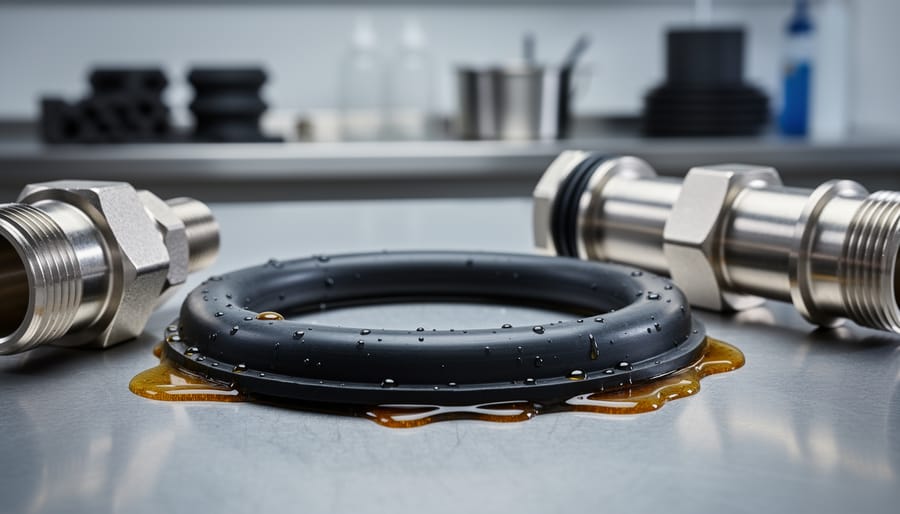
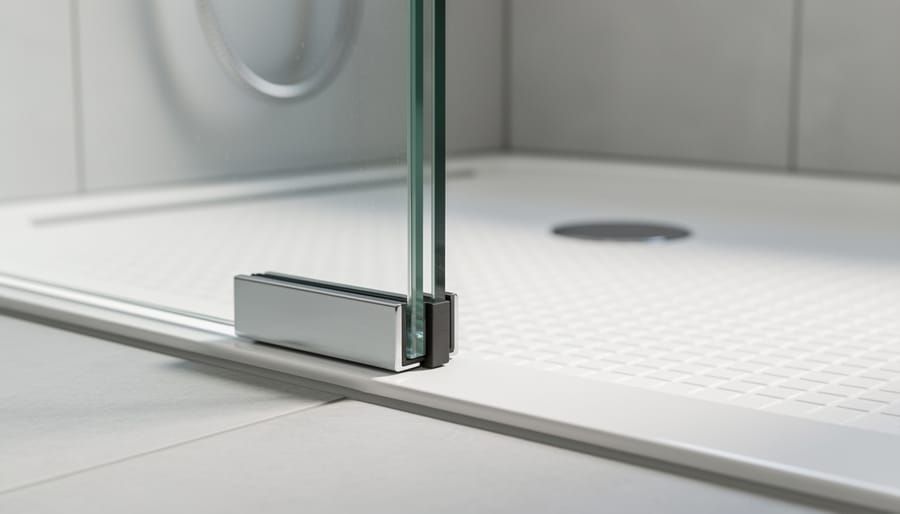
Replacing a bathroom’s shower seals, gaskets, and flooring in a Waterloo renovation comes down to one decision: match each material to its exposure. Use silicone for flexible, high-moisture joints and frameless glass door seals. Use EPDM rubber where compression and abrasion dominate, such as sweeps and threshold gaskets. Choose flooring with a slip-resistant surface and a sealed perimeter. Done carefully, the job takes one to two days for a standard bathroom and sits at an intermediate difficulty level, with surface preparation as the main prerequisite.
The reasoning is simple. Water, soap residue, and thermal cycling attack …

Why Commitment to Quality Defines Long-Term Success in Rubber Manufacturing

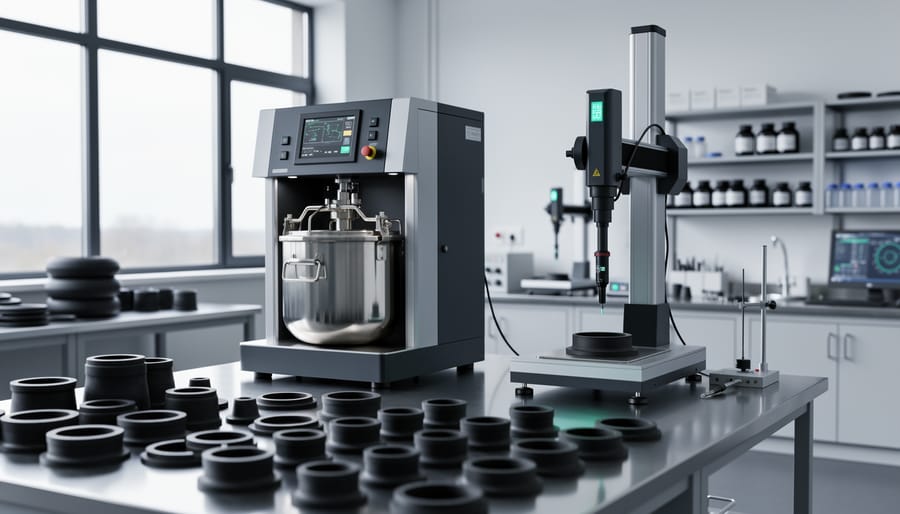
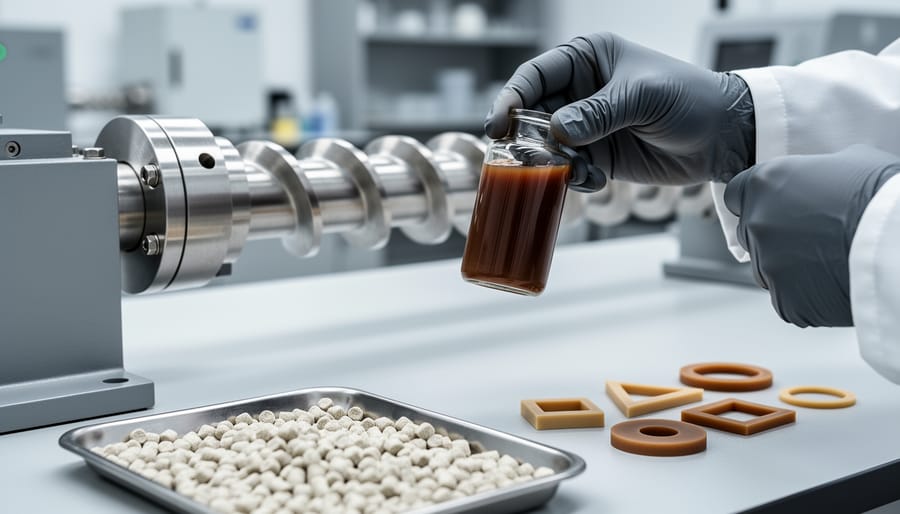
Commitment to quality in rubber manufacturing translates directly into measurable outcomes: reduced failure rates, extended component lifecycles, and verifiable performance under the harshest operating conditions. This commitment manifests through ISO 9001:2015-certified quality management systems, rigorous material testing at every production stage, and documented traceability from raw compound formulation through final inspection. For procurement teams evaluating suppliers in 2026, understanding what separates genuine quality frameworks from surface-level compliance determines whether components will meet specifications in automotive …

How to Choose Thermal Fillers for Thermoplastic Silicone: A Buying Guide

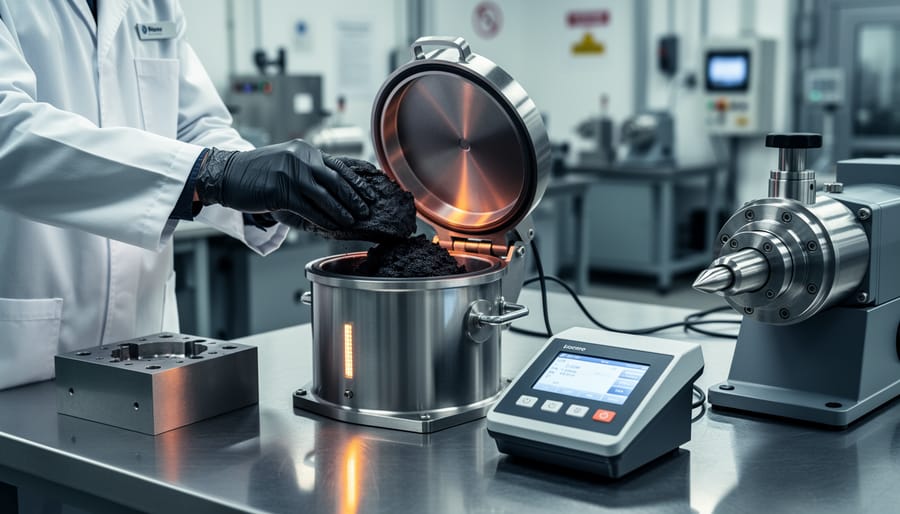
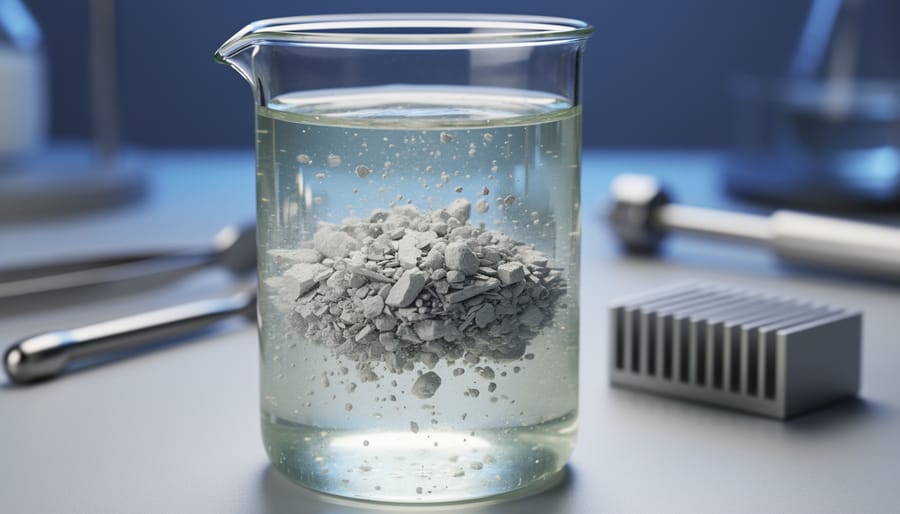
Thermal fillers function as the backbone of high-performance thermoplastic silicone formulations, serving three critical roles: amplifying thermal conductivity to meet demanding heat dissipation requirements, reducing material costs without compromising functionality, and modifying mechanical properties to achieve application-specific performance targets. For engineers specifying materials in automotive thermal management systems or industrial electronics cooling, selecting the right filler type, particle size distribution, and loading percentage determines whether a component meets its thermal interface specifications or fails under real-…

Product Usability in Automotive Design: Why Real-World Performance Falls Short

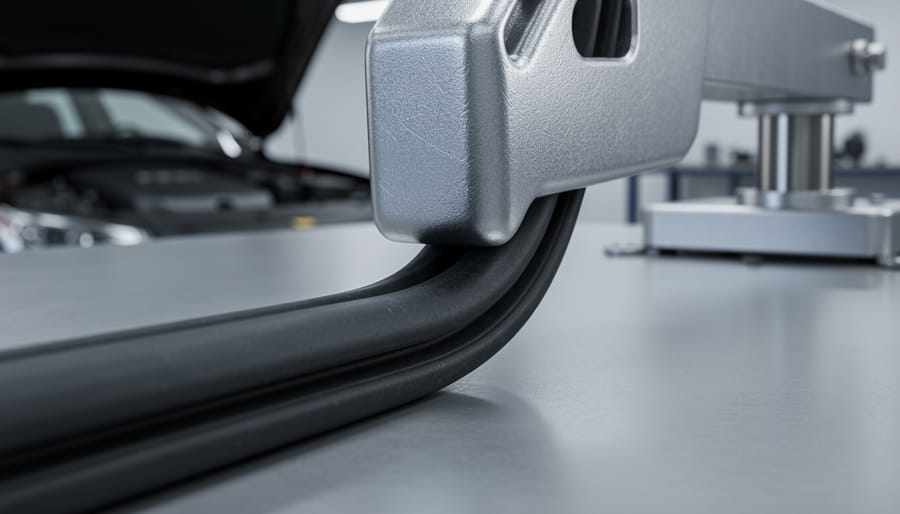
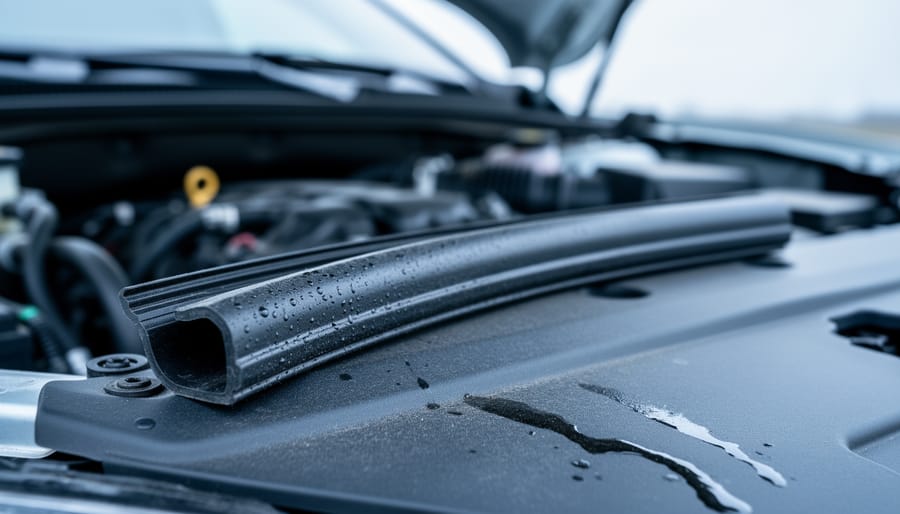
Product usability determines whether a component survives its operational environment or becomes another warranty claim. In automotive applications, even well-engineered parts fail when designers overlook the gap between laboratory performance and real-world conditions: temperature extremes, chemical exposure, vibration, and the compounding effects of continuous stress cycles. This disconnect costs manufacturers millions in recalls, field failures, and damaged reputations.
The challenge lies in understanding how products actually behave under use, not just how they test in controlled settings. A seal that performs flawlessly at …