

Fire-Resistant Rubber Seals That Protect Your Home During Restoration
Fire damage compromises critical building envelope components, creating immediate vulnerabilities during restoration that demand specialized sealing solutions. When working with fire damaged property buyers or managing reconstruction projects, installing fire-resistant rubber seals prevents secondary damage from moisture intrusion, air leakage, and thermal bridging while restoration work progresses.
Standard elastomeric seals fail catastrophically when exposed to elevated temperatures, releasing toxic gases and losing dimensional stability. Fire-resistant formulations—specifically silicone compounds rated to UL 94 V-0 standards and fluoroelastomers (FKM) with continuous service temperatures exceeding 200°C—maintain sealing integrity under thermal stress while providing the flexibility required for building movement during structural repairs.
The restoration sector requires seals that simultaneously address fire resistance, weather protection, and compatibility with damaged substrates. Contractors face unique challenges: charred wood surfaces with irregular profiles, thermally-stressed metal frames requiring precise tolerances, and accelerated project timelines demanding immediate installation without extended curing periods. Material selection must account for residual chemical contamination from combustion byproducts, alkaline cleaning agents used during fire remediation, and the potential for repeated thermal cycling as HVAC systems are restored.
This technical guide examines fire-resistant rubber seal specifications for restoration applications, comparing silicone, fluoroelastomer, and EPDM-based compounds across critical performance metrics. We provide application-specific recommendations for door assemblies, window perimeters, utility penetrations, and expansion joints, emphasizing custom extrusion capabilities that address non-standard dimensions common in fire-damaged structures.
Why Fire-Damaged Homes Need Specialized Rubber Seals
Structural Vulnerabilities After Fire Damage
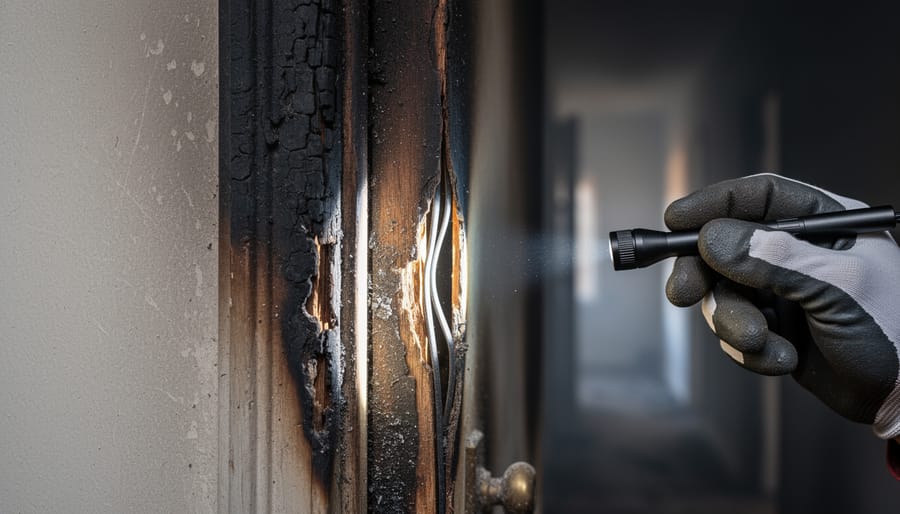
Fire damage creates critical structural vulnerabilities that extend beyond visible charring and smoke residue. Existing rubber seals around doors, windows, and mechanical penetrations deteriorate rapidly when exposed to elevated temperatures, even below combustion thresholds. At temperatures exceeding 200°F, conventional elastomers begin losing their elastic properties, resulting in permanent compression set and material brittleness. This thermal degradation compromises the seal’s ability to maintain weatherproofing and creates pathways for moisture intrusion during the restoration period.
The thermal cycling experienced during fire events causes differential expansion between building materials and sealing components. Metal frames expand at different rates than surrounding masonry or wood, creating gaps where previously functional seals existed. These newly formed openings require immediate attention to prevent secondary damage from weather exposure during reconstruction phases.
Additionally, chemical byproducts from combustion accelerate seal deterioration. Acidic compounds in smoke residue continue attacking rubber compounds long after fire suppression, causing surface cracking and loss of adhesion to substrates. Water used in firefighting efforts further exacerbates these conditions by introducing moisture into compromised seal assemblies.
Restoration professionals must conduct thorough assessments of all sealing systems, recognizing that thermal exposure may have affected seals in areas distant from visible fire damage. Material specifications for replacement seals must account for both fire resistance requirements and compatibility with damaged substrates requiring remediation.
The Risk of Secondary Damage
Following a fire event, the period between initial damage assessment and complete restoration presents critical vulnerability windows that can compound original losses. Water intrusion remains the primary secondary threat, as compromised building envelopes allow moisture penetration that accelerates structural deterioration, promotes microbial growth, and damages salvageable materials. Fire-resistant rubber seals provide an essential barrier function during this interim phase, establishing temporary weatherproofing at door frames, window openings, and service penetrations where original sealing systems have been destroyed.
Air infiltration through unsealed gaps introduces additional complications, including uncontrolled ventilation that disrupts moisture management protocols and allows contaminant distribution throughout the structure. This becomes particularly problematic when restoration activities generate airborne particulates from demolition, cleaning, or reconstruction processes. Properly specified sealing solutions prevent cross-contamination between remediated and unremediated zones, maintaining air quality standards necessary for worker safety and material preservation.
The contamination risk extends beyond particulate matter to include residual combustion byproducts, volatile organic compounds, and atmospheric pollutants that can permeate porous materials. Engineering-grade rubber seals with appropriate compression set resistance and chemical compatibility provide reliable isolation, preventing secondary contamination during extended restoration timelines. These temporary protective measures often determine whether structural components require replacement or can be successfully restored, directly impacting project economics and completion schedules.
Critical Properties of Fire-Resistant Rubber Sealing Materials
Temperature Resistance and Flame Retardancy
Fire-resistant rubber seals for post-fire home restoration must meet rigorous thermal performance standards to ensure structural integrity during reconstruction. Understanding these specifications enables informed material selection for critical applications.
The UL94 flammability classification system provides essential benchmarks for material performance. UL94 V-0 rated materials self-extinguish within 10 seconds after flame removal, with no flaming drips, representing the highest standard for residential applications. V-1 and V-2 ratings allow slightly longer combustion times, with V-2 permitting flaming particle drops. For restoration projects in fire-damaged structures, V-0 rated seals offer optimal protection during reconstruction activities involving welding, electrical work, and heat-generating equipment.
The Limiting Oxygen Index (LOI) quantifies the minimum oxygen concentration required to sustain combustion. Materials with LOI values above 27% demonstrate superior flame resistance, as normal atmospheric oxygen levels approximate 21%. Premium fire-resistant elastomers achieve LOI ratings between 28-35%, effectively self-extinguishing in ambient conditions. This characteristic proves critical when sealing renovated areas adjacent to active construction zones.
Thermal stability requirements focus on continuous service temperature ranges and peak temperature tolerance. Silicone-based compounds maintain rubber material properties from -60°C to 230°C continuously, with intermittent peaks reaching 300°C. Fluoroelastomers extend this range further, supporting applications where residual heat or nearby restoration activities create elevated ambient temperatures. These capabilities ensure seal integrity throughout reconstruction phases while meeting insurance and building code requirements.
Chemical and Smoke Residue Resistance
Fire-damaged structures present unique challenges for sealing systems, as combustion byproducts create highly corrosive environments that can rapidly degrade standard rubber materials. Acidic residues from burned synthetic materials, along with chlorinated compounds and sulfur-based contaminants, actively attack conventional elastomers, compromising their sealing integrity during critical restoration phases.
Silicone and fluoroelastomer-based seals demonstrate superior resistance to these harsh post-fire conditions. These materials maintain dimensional stability and mechanical properties when exposed to pH levels ranging from 2 to 12, typical of fire residue environments. EPDM formulations with enhanced chemical resistance packages also perform effectively against alkaline cleaning agents used during restoration while resisting degradation from carbonaceous deposits.
Material selection must account for both immediate exposure to acidic smoke residues and prolonged contact with remediation chemicals. Fluorosilicone compounds offer exceptional resistance to hydrocarbon-based fire accelerants and petroleum residues often present in fire-damaged commercial kitchens and industrial spaces. For residential applications, platinum-cured silicone seals provide reliable performance against common household combustion byproducts without leaching plasticizers that could contaminate cleaned surfaces.
Custom compound development allows for targeted resistance profiles based on specific fire damage characteristics, ensuring optimal longevity throughout the restoration timeline while maintaining compliance with indoor air quality standards required for occupied space reconstruction.
Durability Under Restoration Conditions
Home restoration projects expose seals to prolonged periods of environmental stress, mechanical loads, and chemical exposure that demand exceptional material resilience. Fire-resistant rubber seals must maintain their functional properties throughout multi-week or multi-month reconstruction timelines while subjected to temperature fluctuations, moisture intrusion, and physical disturbance.
Compression set resistance is critical for seals that must maintain effective barriers against weather, dust, and contaminants during extended installation periods. High-quality silicone and fluoroelastomer formulations demonstrate compression set values below 25% after 70 hours at elevated temperatures, ensuring consistent sealing performance even when compressed for weeks during phased restoration work. This property prevents permanent deformation that would compromise the seal’s ability to recover and maintain contact pressure.
Tear resistance becomes particularly important during installation and when seals encounter construction debris or sharp building materials. ASTM D624 tear strength testing identifies formulations capable of withstanding the handling rigors typical of active job sites. Materials exhibiting tear strengths exceeding 50 pli (pounds per linear inch) provide adequate durability for restoration applications.
Weatherability during open-air exposure requires UV stabilization and ozone resistance. Advanced formulations incorporating carbon black or specialized antioxidants maintain physical properties despite continuous outdoor exposure, preventing surface cracking and material degradation that could compromise fire resistance or sealing effectiveness before permanent building enclosure.
Material Selection: Comparing Fire-Resistant Elastomers
Silicone Rubber Compounds
Silicone rubber compounds represent the premium choice for fire-resistant sealing applications in home restoration projects, particularly where sustained high-temperature exposure is anticipated. These formulations utilize polydimethylsiloxane (PDMS) polymers cross-linked with specialized additives to achieve exceptional thermal stability, typically maintaining functional integrity at temperatures ranging from -60°C to 230°C, with specialized grades tolerating brief excursions to 300°C.
The fire-resistance characteristics of silicone compounds stem from their unique molecular structure. Upon exposure to flame, silicone forms a protective silica ash layer that insulates the underlying material and prevents further degradation. High-temperature variants incorporate ceramic fillers, platinum cure systems, and flame-retardant additives to enhance this protective mechanism. These formulations achieve UL 94 V-0 ratings and maintain seal compression under conditions where organic elastomers would catastrophically fail.
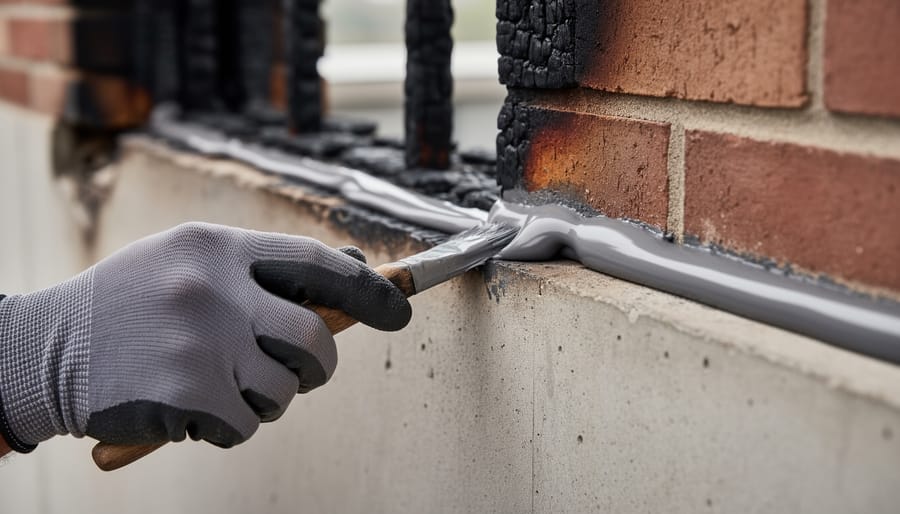
For restoration applications, silicone seals excel in fire door assemblies, HVAC penetrations, and expansion joints where post-fire structural movement demands both flexibility and thermal protection. Custom silicone formulations can be engineered to meet specific fire ratings while addressing chemical resistance requirements common in smoke-damaged environments. The material’s inert nature also prevents microbial growth, a critical consideration in water-damaged structures undergoing restoration.
Fluoroelastomer (FKM) Solutions
Fluoroelastomer (FKM) seals represent the premium tier of fire-resistant sealing solutions, offering exceptional performance in the most demanding home restoration scenarios. FKM exhibits outstanding heat resistance, maintaining structural integrity at continuous operating temperatures up to 400°F (204°C), with intermittent exposure capability reaching 450°F (232°C). This thermal stability makes FKM ideal for sealing applications near furnaces, boilers, and industrial-grade heating systems common in commercial-residential hybrid properties.
The chemical resistance of FKM surpasses alternative elastomers, providing superior protection against petroleum-based products, acids, and aggressive cleaning agents frequently encountered during fire remediation. This characteristic proves particularly valuable when sealing penetrations in areas where chemical decontamination occurs or where exposure to fuel oils and industrial solvents is anticipated.
For restoration projects involving high-value properties or specialized facilities requiring absolute reliability, FKM solutions deliver unmatched durability and safety margins. While material costs exceed standard silicone or EPDM options, the extended service life and reduced maintenance requirements justify the investment in critical applications. Custom FKM formulations can be engineered to address specific project requirements, including enhanced compression set resistance or optimized hardness specifications for unique sealing challenges in post-fire reconstruction environments.
Fire-Retardant EPDM and Specialty Blends
Modified EPDM compounds represent a significant advancement in fire-resistant sealing solutions for home restoration applications. These formulations incorporate halogenated or phosphorus-based flame retardants, aluminum trihydrate, and magnesium hydroxide to achieve UL 94 V-0 or V-1 ratings while maintaining the material’s inherent weathering resistance and thermal stability. Fire-retardant EPDM compounds typically demonstrate oxygen index values exceeding 28%, effectively self-extinguishing when exposed to ignition sources. This makes them particularly suitable for sealing applications in fire-damaged structures where secondary fire prevention is critical during reconstruction.
Thermoplastic elastomer alternatives offer additional benefits through processing flexibility and recyclability. TPE-V (thermoplastic vulcanizate) and TPE-S (styrenic) compounds can be formulated with intumescent additives that expand when heated, creating an insulating char layer that protects underlying materials. These specialty blends combine flame resistance with excellent compression set properties and temperature ranges from -40°F to 275°F, meeting stringent building code requirements. Custom formulations allow engineers to balance fire performance with specific application demands, including UV resistance, chemical compatibility, and dimensional stability throughout the restoration timeline.
Application Areas in Fire-Damaged Home Restoration
Door and Window Perimeter Sealing
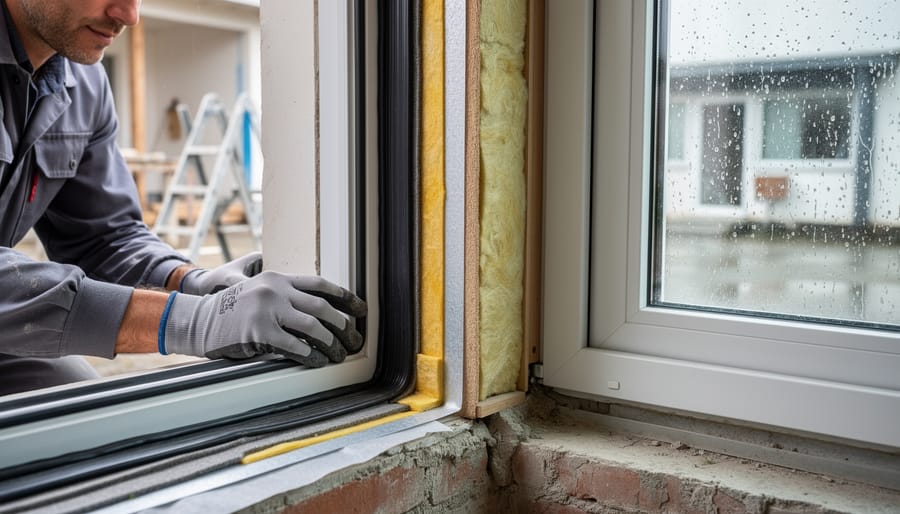
Fire-damaged openings require immediate weatherproofing to prevent secondary damage during restoration. Temporary perimeter sealing solutions utilize high-durometer EPDM and silicone rubber profiles that withstand environmental exposure while maintaining flexibility across temperature ranges of -40°F to 300°F. These compression seals install rapidly around door and window frames using adhesive backing or mechanical fastening systems, creating barriers against moisture intrusion, debris, and pest entry.
For permanent applications, restoration professionals specify fire-rated rubber seals meeting ASTM E84 flame spread requirements and UL certification standards. Intumescent rubber gaskets provide dual functionality—they perform as conventional weatherstripping under normal conditions while expanding when exposed to heat to seal gaps and prevent fire propagation. Custom-extruded profiles accommodate non-standard frame dimensions common in older structures or buildings with fire-induced warping.
Material selection depends on exposure conditions and restoration timelines. Closed-cell neoprene offers superior resistance to prolonged moisture contact in structures awaiting extensive repairs, while silicone compounds provide enhanced UV stability for openings facing direct sunlight. Multi-durometer co-extruded seals combine rigid mounting bases with soft sealing edges, ensuring effective compression across irregular surfaces damaged by thermal stress.
HVAC and Ventilation System Seals
HVAC and ventilation systems present critical fire containment challenges during home restoration, particularly where ductwork penetrates fire-rated walls, floors, and ceilings. Fire-resistant rubber seals serve as essential components in maintaining the integrity of these fire barriers while accommodating necessary mechanical system installations.
At duct penetration points, specialized fire-rated gaskets and collar seals must withstand temperatures exceeding 1000°F while preventing flame and smoke migration between compartments. Silicone and fluorosilicone compounds offer superior performance in these demanding sealing applications, maintaining elasticity and seal integrity under extreme thermal stress. These materials resist degradation from temperature cycling and provide reliable long-term performance in both residential and commercial restoration projects.
System penetrations requiring fire-resistant sealing include air handler connections, return air plenums, and fresh air intake points. Custom-molded seals accommodate irregular opening geometries while meeting UL-listed fire ratings and building code requirements. Integration with intumescent materials creates multi-layer protection systems that expand under heat exposure, actively sealing gaps as temperatures rise. Proper specification of fire-resistant rubber seals at HVAC penetration points ensures compliance with fire safety standards while maintaining system functionality throughout the building’s lifecycle.
Utility Penetrations and Infrastructure Points
Utility penetrations represent critical vulnerability points in fire-resistant building envelopes, requiring specialized sealing solutions that maintain both fire integrity and functional accessibility. Electrical conduit entries, plumbing penetrations, and gas line pass-throughs create potential pathways for fire and smoke propagation if not properly sealed with materials rated for extended fire exposure.
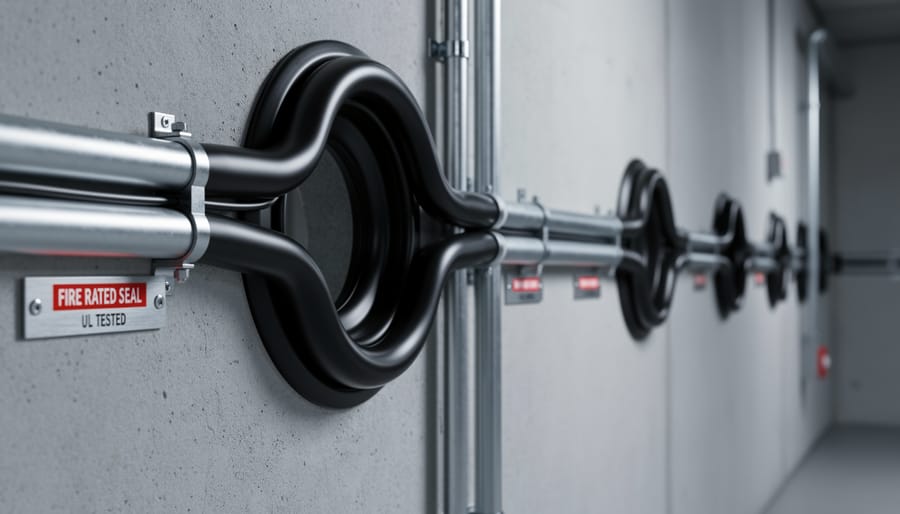
Fire-resistant rubber seals designed for utility infrastructure applications must accommodate thermal expansion while maintaining dimensional stability under fire conditions. High-temperature silicone and fluoroelastomer formulations provide effective sealing around electrical conduits, offering flexibility for installation while achieving fire resistance ratings up to 2 hours when properly specified. These materials resist degradation from electrical heat generation and maintain seal integrity during fire events.
Plumbing penetrations require seals that accommodate both thermal movement and potential water exposure during firefighting operations. Intumescent rubber compounds expand when exposed to heat, actively closing gaps around pipes and conduits to prevent fire spread between compartments. For gas line penetrations, seals must meet stringent safety standards, combining fire resistance with gas-tight performance to prevent hazardous leaks during reconstruction.
Custom seal configurations account for irregular penetration geometries and multiple utility clustering, ensuring comprehensive protection at these critical interface points. Proper installation includes substrate preparation, compression specifications, and periodic inspection protocols to maintain long-term fire barrier effectiveness.
Custom Seal Solutions for Complex Restoration Projects
Site-Specific Design Considerations
Fire-damaged structures often present irregular geometries and compromised opening dimensions that require systematic evaluation before seal installation. Assessment protocols begin with detailed documentation of frame distortion, surface irregularities, and dimensional variations exceeding standard tolerances. Professional restoration teams should measure multiple points along each opening perimeter, recording maximum deviations to establish baseline requirements for seal profile development.
Material substrate analysis forms a critical component of site evaluation, as heat exposure may have altered the physical properties of door frames, window casings, and structural elements. Surface preparation requirements vary significantly based on char depth, thermal degradation patterns, and residual contamination levels. Assessment teams must identify areas requiring remediation before seal installation to ensure proper adhesion and compression performance.
When standard profiles cannot accommodate site-specific conditions, custom rubber solutions provide optimal performance outcomes. Engineers develop tailored profiles incorporating measured geometry data, compensating for asymmetrical openings, non-parallel surfaces, and compound angles resulting from structural movement. Custom extrusions address unique challenges including oversized gaps, inconsistent compression zones, and integration with temporary protective barriers during ongoing restoration activities, ensuring continuous fire protection throughout the reconstruction phase.
Rapid Prototyping and Testing
Developing fire-resistant rubber seals for specialized home restoration applications requires streamlined prototyping methodologies that balance speed with technical rigor. Our engineering team employs accelerated development cycles, compressing traditional timelines from months to weeks while maintaining stringent validation standards.
The prototyping process begins with detailed site assessments and damage analysis to determine precise dimensional requirements and environmental exposure parameters. Rubber technologists collaborate directly with restoration contractors to specify material compositions that address unique fire damage scenarios, including exposure to residual heat, chemical contaminants, and structural irregularities.
Initial prototypes undergo comprehensive testing protocols that simulate post-fire conditions, including elevated temperature cycling, smoke particle exposure, and accelerated aging tests. Compression set resistance, flame spread ratings, and dimensional stability measurements validate performance against industry benchmarks and project-specific requirements.
Digital modeling tools enable rapid iteration of seal geometries, optimizing fit tolerance before physical production. This approach reduces material waste and expedites approval cycles for time-sensitive restoration projects. Field testing under actual site conditions provides final validation, ensuring custom seals perform reliably throughout the reconstruction phase while meeting fire safety compliance standards.
Installation and Performance Standards
Installation Best Practices
Proper installation of fire-resistant rubber seals requires meticulous surface preparation to ensure optimal performance in post-fire restoration environments. Begin by thoroughly cleaning damaged substrates, removing all soot, char residue, and thermal degradation products using appropriate industrial solvents or mechanical abrasion. Verify substrate integrity through visual inspection and adhesion testing, as fire exposure often compromises material surfaces through delamination or micro-cracking.
Adhesive compatibility is critical when working with compromised surfaces. Silicone-based and modified epoxy adhesives typically provide superior bonding to fire-damaged wood, metal, and composite materials. Conduct small-scale adhesion tests on representative substrate samples before full-scale installation to confirm compatibility and cure characteristics. For severely damaged surfaces, consider mechanical fastening methods combined with adhesive bonding to achieve redundant load paths.
Installation technique must account for substrate dimensional changes resulting from fire damage. Allow adequate compression set in seal design to accommodate warped or distorted frames. Use precision measurement tools to verify alignment and ensure consistent compression across the entire seal perimeter. Custom-manufactured seals offer distinct advantages in restoration applications, as they can be engineered to compensate for non-standard geometries resulting from structural damage.
Testing and Compliance Requirements
Fire-resistant rubber seals used in home restoration must comply with established safety standards to ensure adequate protection during reconstruction. Key benchmarks include ASTM E84 for surface burning characteristics, which evaluates flame spread and smoke development indices. Seals should also meet UL 94 flammability classifications, with V-0 or V-1 ratings indicating superior fire resistance. Building codes such as the International Building Code (IBC) and International Residential Code (IRC) specify minimum fire-resistance requirements for construction materials in various applications.
Performance verification involves standardized testing protocols including limiting oxygen index (LOI) measurements, cone calorimetry, and vertical burn tests. These methods quantify ignition resistance, heat release rates, and char formation properties. Third-party certification from recognized testing laboratories provides documentation necessary for insurance claims and code compliance inspections. Restoration contractors should request material data sheets and test certificates from suppliers to verify conformance. Custom seal solutions may require project-specific testing to address unique installation conditions or regional code variations, ensuring both safety compliance and optimal sealing performance throughout the restoration process.
Selecting appropriate fire-resistant rubber seals represents a critical decision point in comprehensive home restoration projects. These components serve as essential barriers against smoke infiltration, thermal transfer, and compromised structural integrity during and after fire damage remediation. The technical specifications outlined throughout this analysis demonstrate that material selection must align precisely with application requirements, environmental conditions, and regulatory compliance standards.
Professional consultation remains paramount when specifying fire-resistant sealing solutions for restoration applications. Qualified engineers and material specialists can evaluate site-specific conditions, assess thermal exposure risks, and recommend custom formulations that address unique project parameters. Standard off-the-shelf products may prove insufficient for complex restoration scenarios where multiple performance criteria must be satisfied simultaneously.
Investment in properly engineered fire-resistant rubber seals delivers measurable value through enhanced occupant safety, reduced insurance liability, and extended service life of restored structures. Custom solutions designed to meet specific temperature ratings, compression characteristics, and dimensional tolerances ensure optimal protection throughout the building envelope. Restoration contractors and property managers who prioritize these specifications demonstrate professional diligence while establishing resilient infrastructure that withstands future thermal events and environmental stressors.
