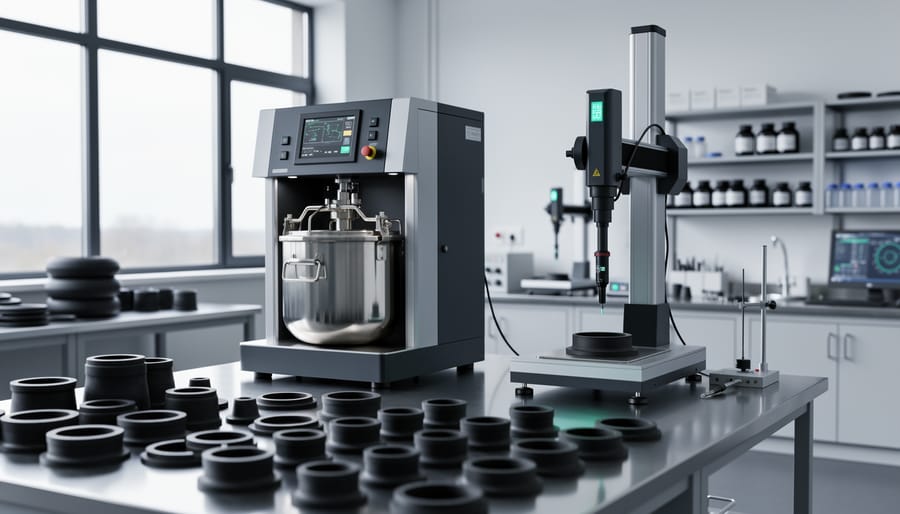
How to Master Processing Rubber: Step-by-Step Fabrication Techniques for 2026
Calculate cure time using a rheometer test at your intended vulcanization temperature, identifying t90 (the time to reach 90% of maximum torque).
Calculate cure time using a rheometer test at your intended vulcanization temperature, identifying t90 (the time to reach 90% of maximum torque).
Yes, several pathways exist including associate degrees and industry certificate programs, particularly for professionals with existing engineering or…
Commitment to quality in rubber manufacturing translates directly into measurable outcomes: reduced failure rates, extended component lifecycles, and verifiable performance under the harshest operating conditions. This commitment manifests through ISO 9001:2015-certified quality management systems, rigorous material testing at every production stage, and documented traceability from raw compound formulation through final inspection. For procurement teams evaluating suppliers in 2026, understanding what separates genuine quality frameworks from surface-level compliance determines whether components will meet specifications in automotive …
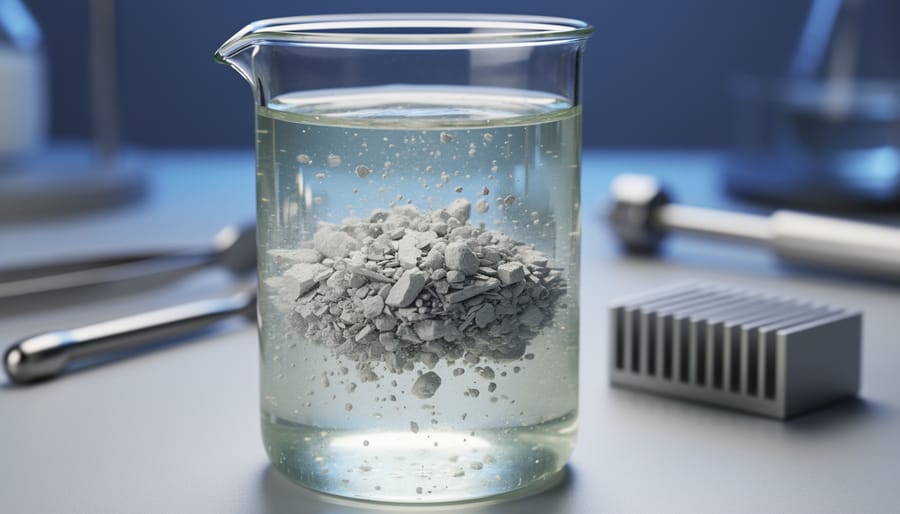
Thermal fillers function as the backbone of high-performance thermoplastic silicone formulations, serving three critical roles: amplifying thermal conductivity to meet demanding heat dissipation requirements, reducing material costs without compromising functionality, and modifying mechanical properties to achieve application-specific performance targets. For engineers specifying materials in automotive thermal management systems or industrial electronics cooling, selecting the right filler type, particle size distribution, and loading percentage determines whether a component meets its thermal interface specifications or fails under real-…
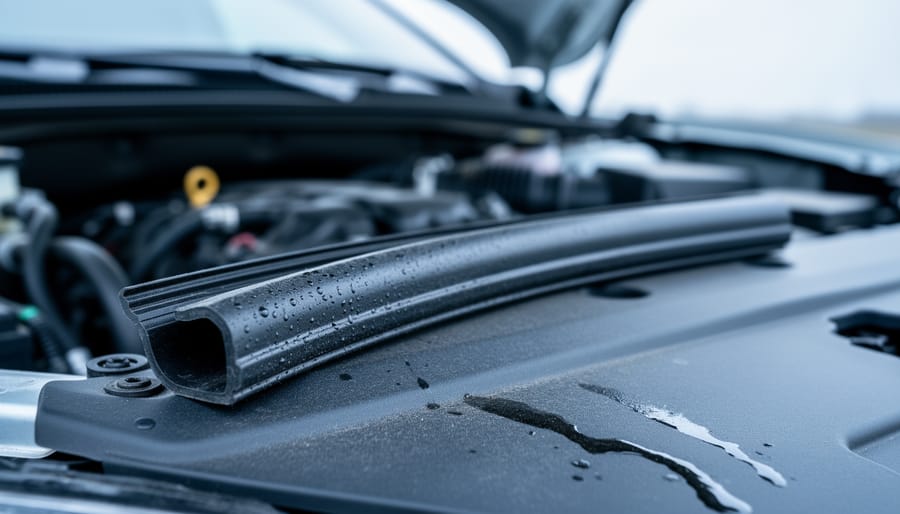
Product usability determines whether a component survives its operational environment or becomes another warranty claim. In automotive applications, even well-engineered parts fail when designers overlook the gap between laboratory performance and real-world conditions: temperature extremes, chemical exposure, vibration, and the compounding effects of continuous stress cycles. This disconnect costs manufacturers millions in recalls, field failures, and damaged reputations.
The challenge lies in understanding how products actually behave under use, not just how they test in controlled settings. A seal that performs flawlessly at …
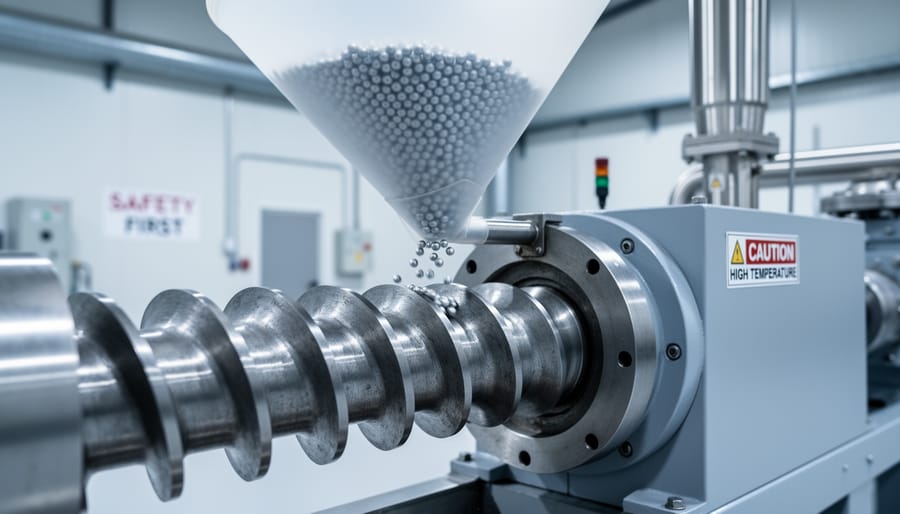
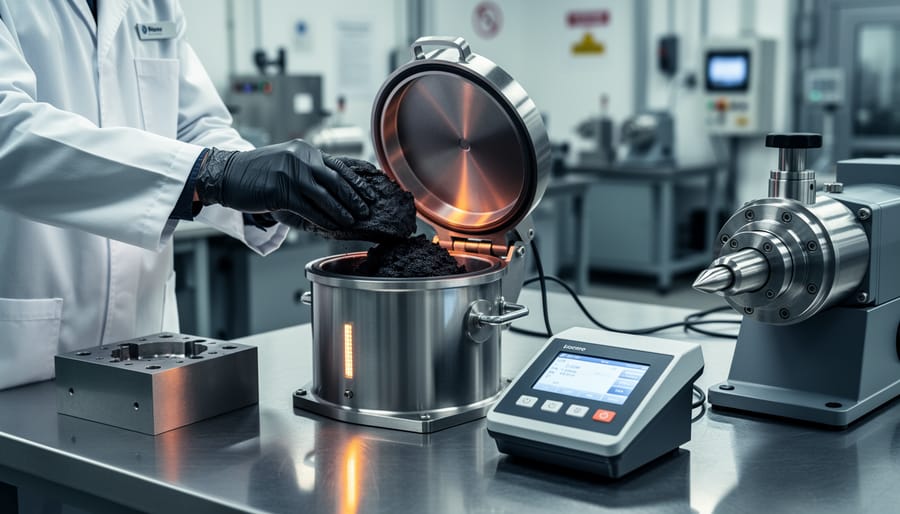
Thermoplastic compounding for thermoplastic silicone vulcanizates (TPSiVs) requires matching the right processing method to your material’s silicone-to-thermoplastic ratio, target performance specifications, and production volume. Twin-screw extrusion remains the dominant approach for dynamic vulcanization, where silicone elastomer is crosslinked within a thermoplastic matrix during melt processing. The choice between continuous mixing systems and batch processes directly impacts material homogeneity, cycle efficiency, and the degree of silicone domain dispersion you can achieve.
Industry professionals working with TPSiV …
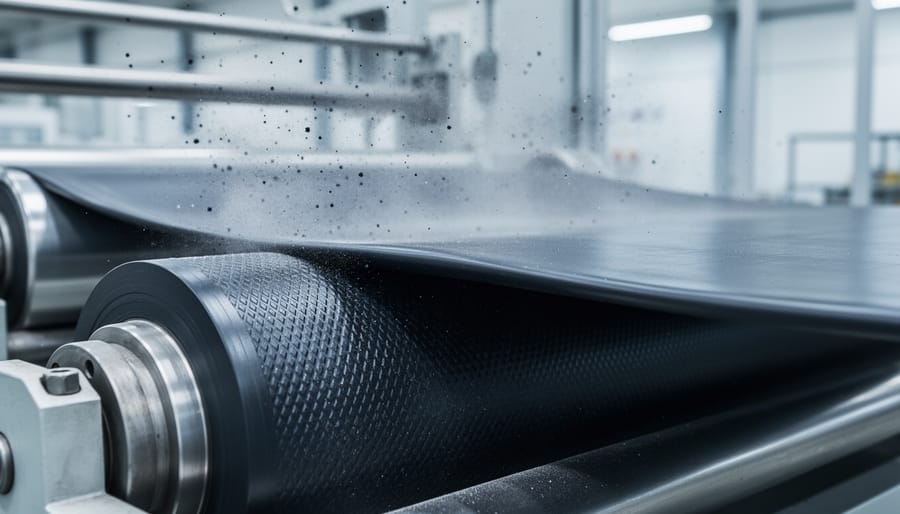
Achieving superior rubber abrasion resistance requires a systematic approach to compound formulation that balances polymer selection, reinforcing filler optimization, and protective additive integration. For high-wear applications in automotive seals, conveyor belts, and industrial components, the formulation strategy centers on maximizing polymer chain entanglement, enhancing filler-matrix adhesion, and incorporating antioxidant and antiozonant systems that preserve mechanical properties under cyclic stress. The performance difference between standard and optimized compounds can exceed 300% in laboratory abrasion testing, translating …
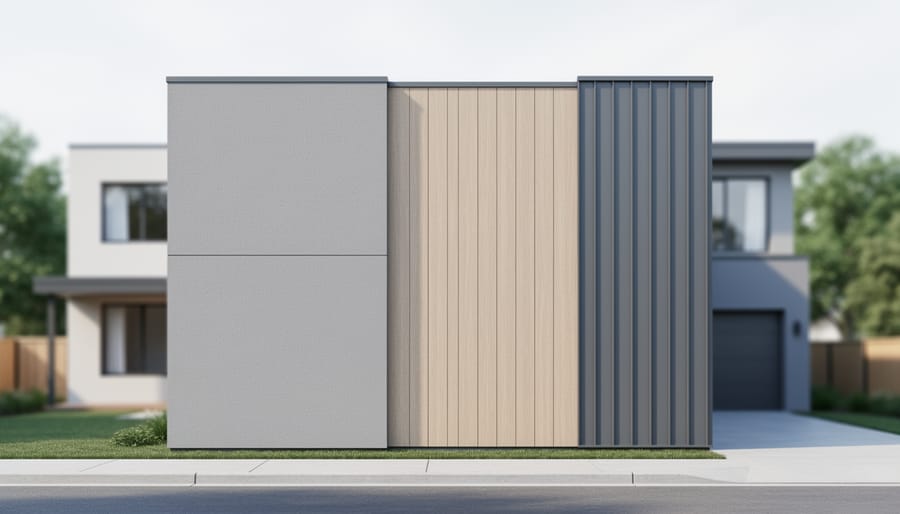
Weatherproof materials for home exteriors are engineered building products designed to resist moisture infiltration, temperature fluctuations, UV degradation, and mechanical stress while maintaining structural integrity and aesthetic performance over extended service cycles. These materials function as the primary barrier between interior environments and external weather conditions, making their selection and specification critical to building longevity and occupant comfort.
The building envelope represents one of the most demanding applications in construction engineering. Exterior materials face continuous exposure to rain, snow…
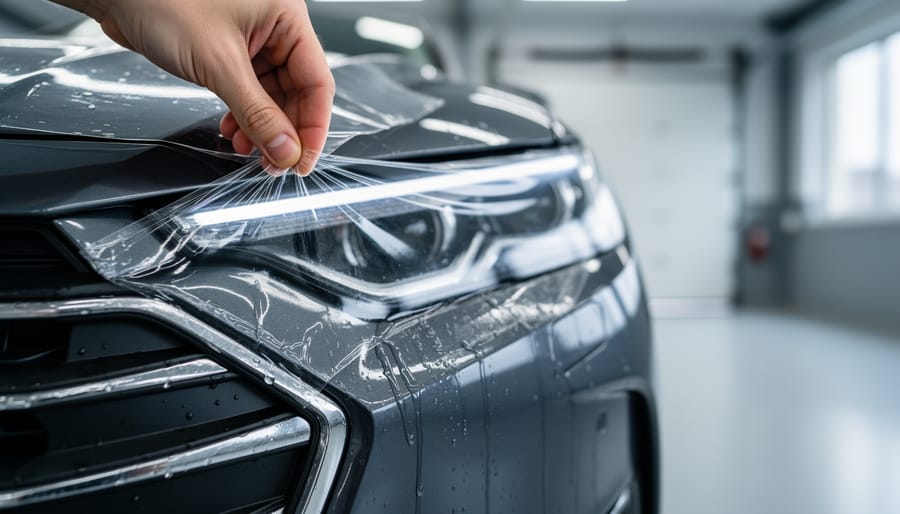
Automotive protective films are engineered polymer laminates designed to absorb and dissipate the kinetic energy from stone chips and road abrasion before damage reaches the vehicle’s painted surface. These multi-layer thermoplastic urethane systems function through a combination of viscoelastic deformation, energy distribution, and surface healing properties that transform high-velocity impacts into manageable stress patterns across the film structure.
Understanding how these films mechanically respond to road hazards is essential for fleet managers and automotive engineers tasked with specifying protection systems that …
Subreddit analytics metrics are quantitative measurements that track community engagement, content performance, and user behavior patterns on Reddit’s topic-focused forums. These data points range from basic subreddit stats like subscriber counts and post frequency to advanced indicators including comment velocity, upvote ratios, and cross-posting networks.
For professionals in technical B2B sectors, these metrics provide direct access to unfiltered industry conversations. Engineers discussing material failures in automotive applications, procurement teams …