

How Long Does It Take to Become a Rubber Technologist: Timeline and Requirements
Becoming a respiratory therapist typically requires four to seven years of education and clinical training, depending on your starting point and career goals. If you’re beginning with a high school diploma, expect a minimum of two years for an associate degree, or four years for a bachelor’s degree, plus additional time for licensure and potential specialization. Those pursuing advanced practice roles or management positions may invest up to seven years in their education pathway.
The timeline hinges on several critical factors: your current education level, whether you pursue full-time or part-time study, state licensure requirements, and your professional aspirations within respiratory care. An associate degree gets you into the field fastest, qualifying you for the Therapist Multiple-Choice (TMC) examination and entry-level positions. A bachelor’s degree opens doors to leadership roles and specialized practice areas, though it requires double the academic commitment.
Clinical competency plays a defining role in this profession. Accredited respiratory therapy programs integrate supervised clinical rotations throughout the curriculum, building hands-on experience with mechanical ventilation, arterial blood gas analysis, and patient assessment protocols. These practical hours aren’t optional additions to your timeline but essential components that determine your readiness for independent practice.
Much like rubber technologists who must master material science and process innovation, respiratory therapists require deep technical knowledge paired with precision in application. The profession demands continuous learning, as ventilation strategies, diagnostic technologies, and treatment protocols evolve rapidly.
Understanding the specific milestones, prerequisite requirements, and credential pathways will help you plan your transition into respiratory therapy efficiently and strategically.
Educational Requirements and Prerequisites
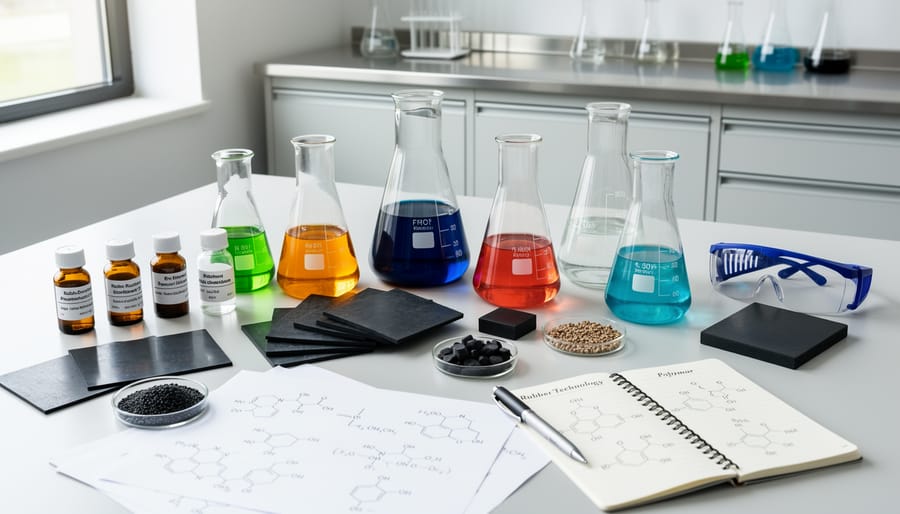
Before starting formal rubber technology training, you need a solid foundation in physical sciences and basic mathematics. Most programs require or strongly recommend completion of high school chemistry and physics, plus algebra through intermediate level. These prerequisites ensure you can handle the technical coursework ahead, which involves chemical reactions, material properties, and process calculations.
For entry into associate degree programs, a high school diploma or equivalent is typically the minimum requirement. Bachelor’s degree pathways at universities expect stronger preparation, often including advanced placement courses in chemistry or calculus. Some institutions will consider applicants with relevant work experience in manufacturing or chemical processing even if their academic background is light, but you’ll face a steeper learning curve.
Common prerequisites for rubber technology programs include:
- High school chemistry or introductory college chemistry with lab component
- Physics fundamentals covering heat, pressure, and material behavior
- Mathematics through algebra II; calculus recommended for bachelor’s programs
- Basic computer skills for data analysis and simulation software
- Associate’s or bachelor’s degree in chemistry, engineering, or materials science (for advanced certificate programs)
- Minimum GPA of 2.5-3.0 for competitive program admission
Certificate programs aimed at working professionals usually require a bachelor’s degree in a related field, chemical engineering, polymer science, or materials science, plus at least one year of industry experience. This accelerated route assumes you already understand core scientific principles and can apply them directly to rubber compounding and processing challenges.
If your background is in mechanical engineering or industrial technology rather than chemistry, expect to complete bridge courses covering organic chemistry and polymer fundamentals before diving into specialized rubber technology coursework. Plan an extra semester or two for these foundational courses if you’re changing fields. The chemistry requirement isn’t negotiable: rubber technology is fundamentally about controlling molecular-level transformations during compounding and vulcanization.
Timeline Breakdown: Three Pathways to Certification
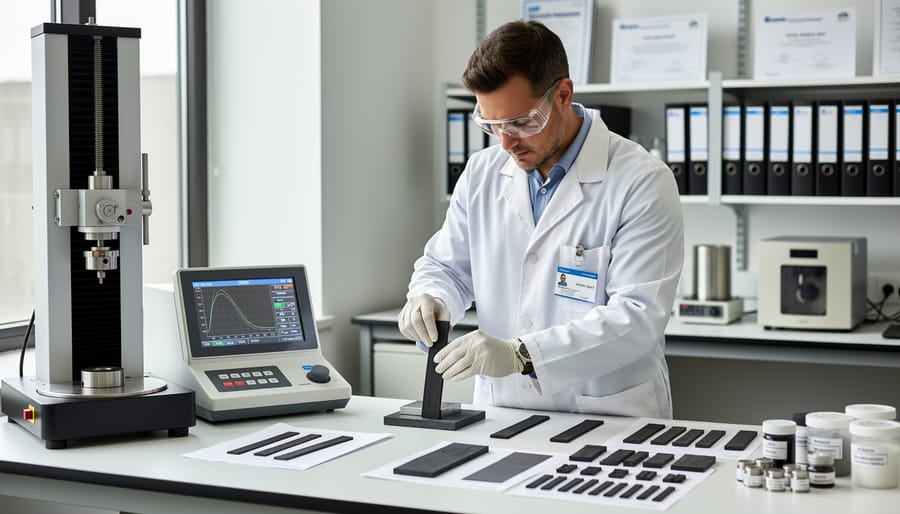
Associate Degree Pathway
The associate degree pathway delivers focused, hands-on training through technical colleges and community colleges, typically requiring 2-3 years of full-time study. These programs concentrate on polymer science fundamentals, rubber compounding principles, and processing equipment operation, skills you’ll use immediately on the job.
Expect coursework in organic chemistry, materials testing, vulcanization techniques, and quality control methods. Laboratory sessions dominate the schedule, where you’ll work with mixing equipment, rheometers, and testing apparatus. Many programs include cooperative education placements or internships during the final year, giving you real production floor experience at manufacturers or testing facilities.
This route attracts students seeking faster entry into the field without committing to a four-year degree. You’ll graduate qualified for technician roles in compounding labs, quality assurance departments, or production supervision. The curriculum emphasizes practical problem-solving: troubleshooting batch inconsistencies, optimizing cure times, and running standard test protocols like tensile strength and hardness measurements.
Most programs require a high school diploma with chemistry and algebra prerequisites. Upon completion, you’re prepared for entry-level positions and can pursue professional certifications to advance your credentials.
Bachelor’s Degree Pathway
A bachelor’s degree in polymer engineering, materials science, or chemical engineering with a rubber technology specialization requires four to five years to complete. This comprehensive pathway provides the deepest technical foundation for advanced roles in rubber formulation, process engineering, and product development.
University programs combine rigorous coursework in organic chemistry, polymer physics, thermodynamics, and rheology with specialized classes in elastomer compounding, vulcanization kinetics, and rubber processing equipment. You’ll spend significant time in polymer laboratories analyzing crosslink density, performing stress-strain testing, and optimizing cure cycles using differential scanning calorimetry and rheometers.
Most programs mandate a capstone research project during your final year, where you tackle real industry challenges like developing heat-resistant compounds for automotive seals or formulating low-rolling-resistance tire treads. Expect to complete at least one semester-long internship with a tire manufacturer, industrial rubber goods producer, or custom compounds supplier. These placements give you hands-on experience with industrial mixing equipment, injection molding presses, and commercial-scale quality control procedures.
Graduates from bachelor’s programs typically qualify for formulation chemist positions, process engineering roles, or technical service careers supporting custom rubber solutions for high-performance applications. The extended timeline pays off through higher starting salaries and faster advancement into leadership positions.
Industry Certificate and Training Programs
Industry certificate programs offer an accelerated pathway for professionals with existing technical degrees or industry experience. These specialized courses, typically 6-18 months in duration, focus intensively on rubber-specific applications rather than broad foundational science.
The Rubber Division of the American Chemical Society offers targeted certification tracks covering compounding fundamentals, processing methods, and quality testing. Many programs run part-time or online, allowing working professionals to maintain their current positions while upskilling. Coursework emphasizes practical formulation techniques, troubleshooting real-world production challenges, and mastering equipment operation for mixers, mills, and vulcanization systems.
Manufacturers like tire companies and custom rubber solution providers also run proprietary training programs for new hires or employees transitioning from related fields. These employer-sponsored tracks combine classroom instruction with hands-on production floor experience, often culminating in internal certification.
Certificate programs work best for chemists, engineers, or quality technicians seeking to specialize in rubber technology without returning to a full degree program. Career changers from plastics, coatings, or adhesives industries frequently use this route to pivot into automotive rubber components or industrial sealing applications. Expect tuition ranging from $3,000 to $12,000 depending on program length and format.
Step-by-Step Process to Become a Certified Rubber Technologist
Becoming a certified rubber technologist requires following a structured pathway that combines formal education, practical experience, and professional validation. The exact duration depends on your chosen educational route, but the core process remains consistent across all pathways.
- Select an accredited program aligned with your timeline and career goals. Research institutions offering polymer science, materials engineering, or rubber technology programs through the American Chemical Society or the Rubber Division of the American Chemical Society. Verify accreditation status and review curriculum requirements. Allow 2-4 months for program research, applications, and admission decisions.
- Complete foundational coursework in chemistry and materials science. Your first year covers organic chemistry, polymer chemistry, materials characterization, and mathematics. These courses establish the theoretical framework for understanding rubber formulation and processing. Expect 12-18 months for associate programs or 24-30 months for bachelor’s degrees to complete core requirements.
- Engage in specialized rubber technology courses and laboratory work. Advanced coursework includes vulcanization chemistry, compound formulation, mixing processes, molding techniques, and quality testing methods. Laboratory sessions provide hands-on experience with mixing equipment, rheometers, tensile testers, and other analytical instruments. This phase typically spans 12-18 months depending on program intensity.
- Secure an internship or cooperative education placement with a rubber manufacturer. Apply to positions at automotive suppliers, tire manufacturers, or custom rubber solution providers 6-9 months before your target start date. Internships typically run 3-6 months and offer exposure to production environments, R&D laboratories, and quality control operations. Many programs require internship completion for graduation.
- Prepare for and pass professional certification examinations. The Rubber Division offers certification through examinations covering polymer science fundamentals, compound formulation, processing methods, and quality standards. Study materials include textbooks, industry publications, and practice exams. Preparation requires 3-6 months of dedicated study alongside final coursework.
- Submit certification application with documentation of education and experience. Compile transcripts, internship evaluations, and proof of examination scores. Application review typically takes 4-8 weeks. Some certifications require letters of recommendation from industry professionals or faculty advisors.
After certification, expect a transition period of 3-6 months to secure your first position and establish yourself in the field. Entry-level rubber technologists often begin in quality control laboratories or production support roles, gaining practical knowledge of specific manufacturing processes and product lines.
Maintain detailed records throughout each step, including laboratory notebooks, project reports, and performance evaluations. These documents demonstrate your competency progression and prove valuable when applying for advanced positions or pursuing specialized certifications in thermoplastic elastomers, custom formulation, or specific industry sectors like automotive sealing systems.
The certification process isn’t merely administrative; it validates your ability to formulate compounds, troubleshoot processing issues, and ensure product quality in real manufacturing environments. Employers in high-wear applications and automotive components specifically seek candidates who’ve completed this structured pathway rather than those with only academic credentials.
Essential Skills and Competencies to Develop
Mastering rubber technology demands a specific blend of hard technical knowledge and workplace capabilities. Your training will focus heavily on polymer chemistry fundamentals, understanding molecular structure, cross-linking mechanisms, and how different elastomers behave under stress, heat, and chemical exposure. You’ll need to become proficient in compounding formulation, learning how fillers, plasticizers, antioxidants, and curing agents interact to produce materials with precise properties like tensile strength, flexibility, and abrasion resistance.
Technical competencies you’ll develop throughout your coursework and lab work include:
- Vulcanization process control and optimization for different rubber types
- Rheometry, tensile testing, and hardness measurement techniques
- Compounding software for formulation development and cost analysis
- Statistical process control and quality assurance methodologies
- Equipment operation including mixers, mills, presses, and extrusion systems
- Material characterization methods such as FTIR spectroscopy and thermal analysis
- Industry standards interpretation (ASTM, ISO, SAE specifications)
Beyond the lab bench, you’ll need problem-solving skills that let you troubleshoot formulation failures, production defects, or performance inconsistencies in real time. Rubber technology rarely happens in isolation. You’ll collaborate with design engineers specifying part requirements, production managers balancing output and quality, and sales teams translating customer needs into technical specifications. Clear communication matters when you’re explaining why a compound won’t meet a cost target or proposing alternative materials.
Expect your program to emphasize hands-on work. You won’t just memorize vulcanization curves; you’ll run trials, adjust variables, and analyze why one batch cured properly while another didn’t. That practical pattern recognition, connecting theory to physical outcomes, separates technologists who can innovate from those who only follow recipes.
Critical Safety and Quality Standards You Must Master
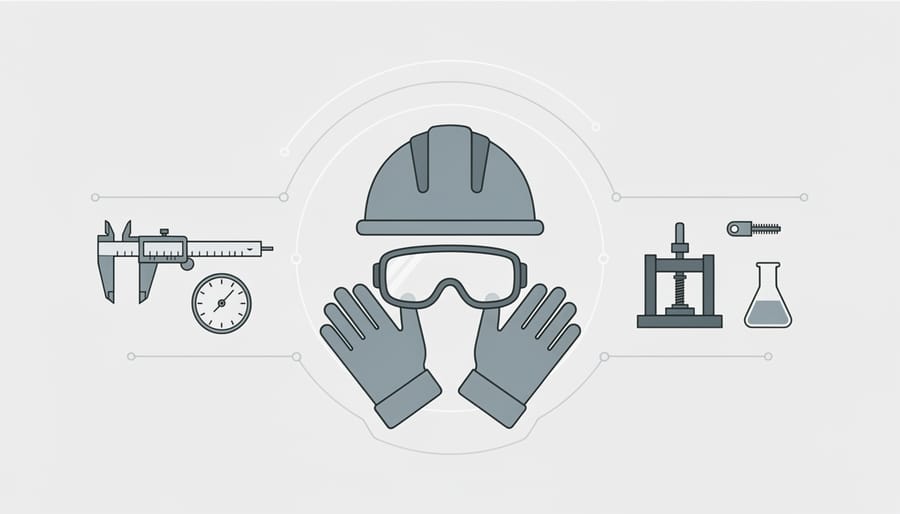
Rubber technologists work with potentially hazardous materials and high-temperature processes daily, making comprehensive safety training non-negotiable. OSHA standards govern chemical exposure limits, personal protective equipment requirements, and ventilation specifications in rubber processing environments. You’ll need documented proficiency in lockout/tagout procedures for mixing equipment, proper handling of accelerators and vulcanizing agents, and emergency response protocols for chemical spills or thermal burns.
ISO 9001 and industry-specific quality standards form the backbone of rubber manufacturing operations. You must demonstrate working knowledge of statistical process control, measurement system analysis, and documentation protocols that ensure batch-to-batch consistency. Programs typically dedicate 40-60 hours to quality management systems, covering calibration procedures for durometers and tensile testers, material traceability requirements, and non-conformance reporting.
Laboratory safety extends beyond general chemical handling. Rubber technology requires specific competencies in high-temperature press operation, fume hood protocols for volatile compounding ingredients, and proper disposal of uncured rubber waste. Most accredited programs require completion of a laboratory safety practicum where you demonstrate proper use of Banbury mixers, two-roll mills, and rheometers under monitored conditions. You’ll also need certification in first aid for chemical burns and thermal injuries specific to vulcanization processes. Employers verify these credentials before allowing independent work in production or R&D environments, so thorough documentation during your training proves essential for career advancement.
Verifying Your Readiness and Next Career Steps
After completing your formal education and hands-on training, confirming your readiness to enter the profession requires a systematic evaluation across three key areas: certification status, documented competencies, and practical experience portfolio. Most employers in automotive rubber components and industrial applications expect candidates to demonstrate both theoretical knowledge and verifiable lab or production floor experience before extending offers for technical positions.
Certification exam preparation typically spans 2-3 months of focused study after program completion. Review your coursework in polymer chemistry fundamentals, compounding formulation principles, and vulcanization kinetics. Most certification bodies provide practice exams and study guides covering material properties, processing parameters, and failure analysis methodologies. Schedule your exam only after consistently scoring above 85% on practice assessments.
Portfolio development should begin during your training program. Document each significant project with formulation records, test data, problem-solving approaches, and outcomes. Include at least one custom solutions development case showing how you modified compound properties to meet specific performance requirements. Employers value portfolios that demonstrate understanding of material selection trade-offs and real-world application constraints rather than just theoretical knowledge.
Entry-level positions typically fall into three categories: laboratory technician roles focusing on material testing and quality control, production technologist positions overseeing compounding and curing operations, or applications engineer roles supporting custom rubber formulation for client specifications. Research and development departments in automotive suppliers, tire manufacturers, and industrial sealing companies actively recruit certified technologists. Target organizations that emphasize innovation and technical problem-solving, where your training in modern polymer science will directly support product development initiatives. Expect initial assignments to pair you with senior technologists on projects involving material characterization, process optimization, or failure investigation before advancing to independent formulation work.
Frequently Asked Questions
Can you become a rubber technologist without a four-year degree?
Yes, several pathways exist including associate degrees and industry certificate programs, particularly for professionals with existing engineering or chemistry backgrounds. Many employers value hands-on experience and specialized training from accredited polymer science programs over traditional four-year degrees alone.
How much does certification and training typically cost?
Associate degree programs range from $8,000 to $25,000 total, while bachelor’s degrees cost $40,000 to $100,000 depending on the institution. Industry certificate programs typically run $3,000 to $12,000, with many employers offering tuition reimbursement for career development.
What’s the job outlook for rubber technologists in 2026?
Demand remains strong across automotive, aerospace, and medical device sectors as manufacturers seek specialists in sustainable materials and custom formulations. The shift toward electric vehicles and advanced sealing solutions has created particular opportunities in thermoplastic elastomer development and high-performance rubber compounds.
How do you specialize in automotive rubber applications?
Focus your coursework and internships on automotive-specific challenges like vibration dampening, weatherproofing, and high-temperature seals. Pursue additional training in material selection for automotive environments, understanding the trade-offs in TPE vs silicone for different sealing applications, and seek positions with automotive suppliers or OEM development teams.
Most certification programs require continuing education to maintain credentials, typically 10 to 20 hours annually through workshops, conferences, or online courses. Professional organizations like the Rubber Division of the American Chemical Society offer these opportunities and keep practitioners current on innovations in compounding chemistry and processing equipment.
Online programs have expanded but remain limited for rubber technology due to essential laboratory requirements. Some universities offer hybrid formats where theoretical coursework happens remotely but students complete intensive on-site lab sessions for vulcanization processes, testing protocols, and equipment operation. These hybrid programs extend the overall timeline by three to six months compared to full-time in-person tracks.
Specializing in custom rubber formulation or thermoplastic elastomers typically adds one to two years of focused experience beyond initial certification. This specialization involves mastering specific polymer systems, developing expertise in application-specific testing, and building knowledge of regulatory requirements for industries like food contact or medical devices. Many technologists pursue this additional depth while working entry-level positions, combining job experience with targeted professional development rather than extending formal education.
The journey to becoming a rubber technologist requires a 4-7 year commitment, but the investment pays dividends in a field where innovation drives advancement. Whether you choose the associate degree pathway for faster entry or pursue a bachelor’s degree for deeper specialization, you’re positioning yourself at the intersection of materials science and practical industrial application.
This career path offers more than technical expertise. You’ll contribute to solving real-world challenges in automotive engineering, high-wear applications, and custom elastomer development. Industries facing durability demands, performance requirements, and sustainability goals need professionals who understand polymer chemistry, compounding formulation, and quality control protocols. The rubber technology field rewards those who combine scientific knowledge with hands-on problem-solving skills.
As you evaluate programs, prioritize accredited institutions with strong industry connections and comprehensive lab facilities. Join professional organizations like the Rubber Division of the American Chemical Society early in your training. These networks provide continuing education resources, certification support, and connections to employers developing next-generation rubber products.
The timeline may seem substantial, but each phase builds essential competencies. From foundational chemistry through advanced vulcanization processes, you’re developing specialized knowledge that few possess. For those interested in custom rubber solutions and high-performance applications, this expertise creates career opportunities in research, development, and technical innovation.
Start by researching accredited programs that align with your timeline and career goals. The rubber technology field continues to evolve, and qualified professionals remain in demand across automotive, chemical, and industrial sectors.
