
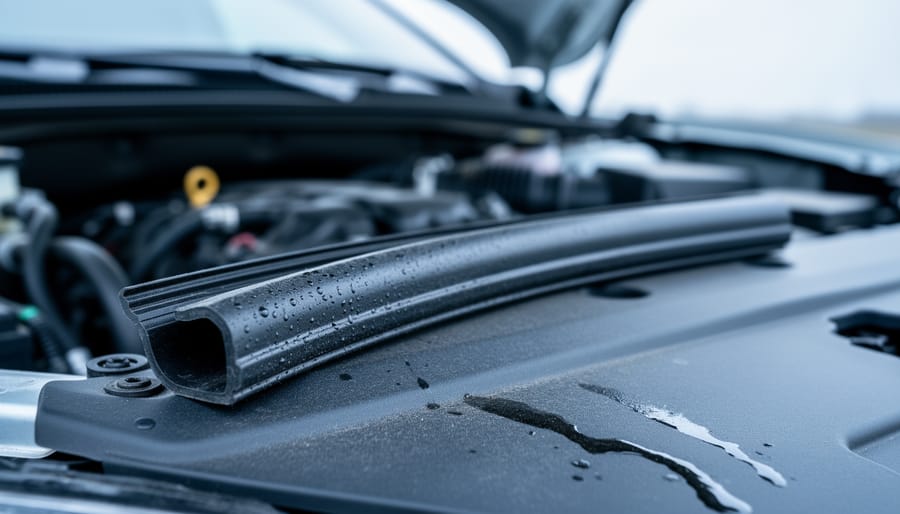
Product Usability in Automotive Design: Why Real-World Performance Falls Short
Product usability determines whether a component survives its operational environment or becomes another warranty claim. In automotive applications, even well-engineered parts fail when designers overlook the gap between laboratory performance and real-world conditions: temperature extremes, chemical exposure, vibration, and the compounding effects of continuous stress cycles. This disconnect costs manufacturers millions in recalls, field failures, and damaged reputations.
The challenge lies in understanding how products actually behave under use, not just how they test in controlled settings. A seal that performs flawlessly at ambient temperature may harden and crack within months in an engine bay. A grip surface optimized for dry conditions becomes a liability when exposed to hydraulic fluids or road salt. These failures stem from a fundamental misalignment between material properties and application demands.
Improving product usability requires a systematic approach that begins with accurate characterization of the operating environment. Engineers must account for load profiles, exposure durations, and the specific chemical and thermal conditions the product will encounter throughout its service life. This assessment reveals which material properties matter most and where standard off-the-shelf solutions fall short.
Custom material formulations address these gaps by tailoring polymer chemistry, reinforcement structures, and surface characteristics to match specific application requirements. Rather than forcing a product into service with marginal performance margins, custom solutions engineer durability into the material itself. This approach shifts focus from reactive problem-solving to proactive design optimization, reducing development cycles and eliminating costly redesigns after production begins.
The following analysis examines common usability failure modes in automotive applications and presents material engineering strategies that transform vulnerable components into reliable, long-term performers.
Understanding Product Usability in Automotive Contexts
Product usability in automotive applications extends far beyond the convenience-focused definitions used for consumer electronics or household goods. In automotive contexts, usability encompasses the complete interaction between vehicle operators, maintenance personnel, and every component they touch, adjust, or depend upon for safe operation. A rubber seal that’s easy to install in a factory environment but degrades prematurely under hood temperatures represents a fundamental usability failure, regardless of its initial performance metrics.
The automotive industry operates under constraints that fundamentally reshape usability requirements. Safety certifications demand that components perform predictably across temperature ranges from -40°C to 150°C, while regulatory compliance frameworks like FMVSS and ECE standards impose strict tolerances that consumer products never face. A door seal that feels premium but allows water intrusion after two winters hasn’t simply disappointed a customer, it’s failed a core usability requirement that impacts vehicle integrity and occupant comfort.
- Functional Usability
- The component’s ability to perform its intended purpose reliably throughout its service life under actual operating conditions, not just laboratory testing.
- Tactile Usability
- How a component feels during interaction, including grip characteristics, resistance feedback, and surface texture that communicates quality and proper function to users.
- Maintenance Usability
- The ease with which technicians can inspect, service, or replace components without specialized tools or risking damage to surrounding systems.
- Environmental Durability
- A component’s sustained performance across exposure to UV radiation, ozone, petroleum products, temperature cycling, and mechanical stress typical of automotive service.
Material selection directly determines usability outcomes in ways that aren’t immediately apparent during design reviews. Specification rubber formulated for automotive applications might cost more per kilogram than generic elastomers, but it delivers consistent compression set resistance and maintains seal integrity through years of thermal cycling. The relationship between rubber compound chemistry and long-term usability isn’t optional knowledge, it’s fundamental to designing components that actually work when drivers need them, not just when engineers test them.
Critical Usability Factors for Automotive Components
Tactile Feedback and Operator Interface
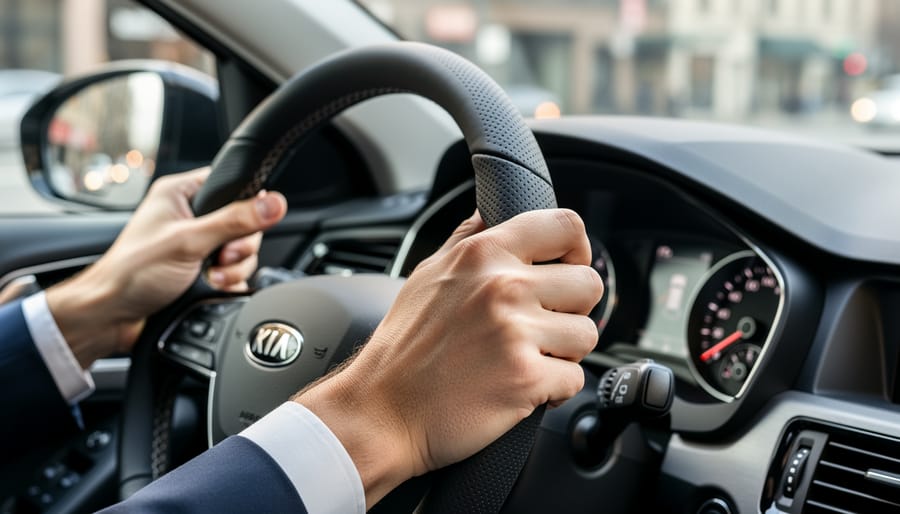
In automotive applications, tactile feedback forms the silent communication channel between driver and machine. The surface characteristics of rubber components directly influence how confidently users can operate controls without visual confirmation, a critical safety factor when attention must remain on the road. Grip coefficient, surface texture patterns, and compression resistance work together to create intuitive interfaces that require minimal cognitive load during operation.
Steering wheel coverings, shift knobs, and pedal surfaces demonstrate how elastomer hardness and surface finish affect control precision. A durometer reading between 40 and 60 Shore A typically provides optimal grip without excessive fatigue during extended use, though specific applications may require harder or softer formulations. Textured patterns, whether raised diamonds, concentric circles, or micro-ribbing, must balance slip resistance with comfortable long-term contact and cleanability.
Seal interfaces present different tactile requirements. Door seals need enough compression resistance to signal proper closure without requiring excessive force, while maintaining weatherproofing integrity. Dashboard trim components must resist fingerprint accumulation and provide pleasant touch response without developing tackiness that attracts dust. Temperature stability matters significantly here: rubber formulations that maintain consistent surface characteristics from winter cold starts through summer cabin heat eliminate the disconcerting feel changes that erode user confidence.
For technicians, serviceability depends heavily on grip characteristics during installation and removal. Custom elastomer formulations can incorporate surface additives that enhance dry grip while resisting degradation from repeated handling, oils, and cleaning solvents.
Environmental Performance Requirements
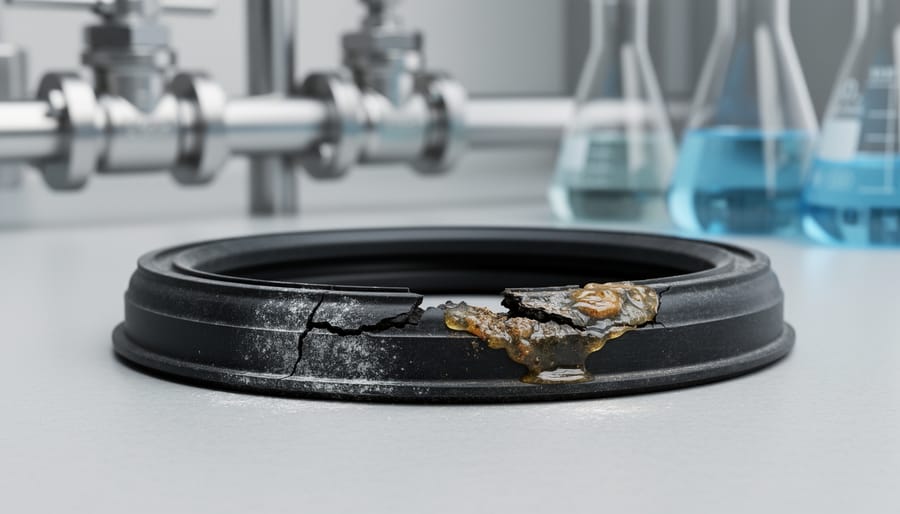
Automotive components operate in some of the harshest environments imaginable, where material performance directly determines product usability over time. A door seal that hardens in winter or a dashboard component that off-gases in summer heat doesn’t just fail technically, it creates a poor user experience that erodes brand confidence. Environmental resilience must be engineered into material selection from the start, not treated as an afterthought.
| Environmental Factor | Operating Range | Material Performance Requirement |
|---|---|---|
| Temperature | -40°C to +120°C | Maintain flexibility and dimensional stability across full range |
| UV Exposure | Continuous outdoor conditions | Resist cracking, colour shift, and mechanical property degradation |
| Chemical Contact | Fuels, oils, coolants, cleaners | No swelling, softening, or loss of sealing integrity |
| Humidity/Water | 0-100% RH, salt spray | Prevent water absorption and corrosion initiation |
Temperature extremes present perhaps the most universal challenge. Components must remain pliable enough for proper sealing in freezing conditions while resisting heat-induced softening that compromises structural integrity. When comparing TPE vs silicone for automotive sealing, temperature performance becomes a deciding factor, silicone excels across wider temperature ranges, while TPE formulations offer superior processability for complex geometries at moderate temperature requirements.
UV degradation manifests slowly but inevitably destroys usability. Exterior rubber components without proper UV stabilization become brittle, develop surface cracks, and lose their aesthetic appeal. A weatherstrip that crumbles during routine door operation has failed its usability mandate regardless of its initial performance specifications.
Chemical resistance prevents premature failure in automotive environments saturated with aggressive substances. Fuel-line components must withstand ethanol blends without swelling. Engine bay seals face constant oil mist exposure. The right elastomer formulation maintains dimensional stability and mechanical properties despite chemical attack, ensuring predictable performance throughout the product lifecycle rather than gradual degradation that catches users and service technicians by surprise.
Maintenance Accessibility and Serviceability
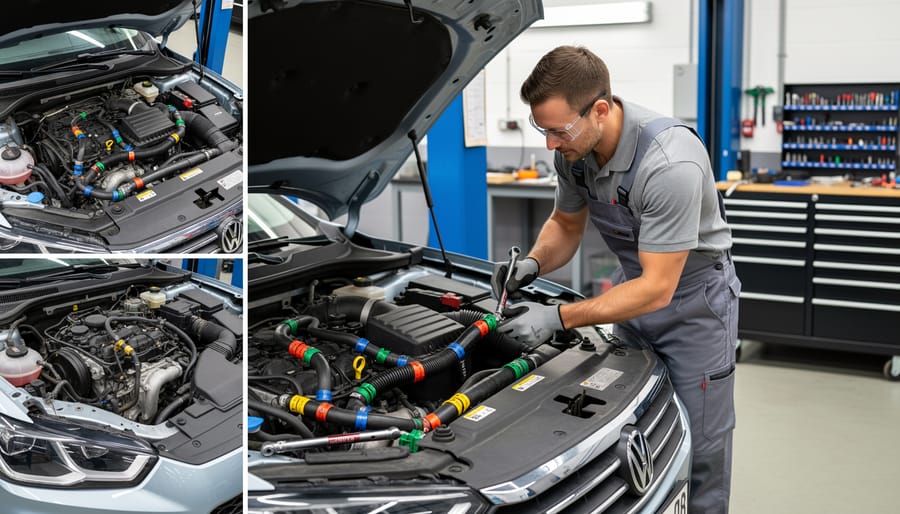
Serviceability often determines a component’s practical lifespan more than raw durability specifications. Rubber seals, gaskets, and bushings designed without maintenance access in mind force technicians into time-consuming disassembly sequences that inflate service costs and increase the likelihood of secondary damage during replacement.
Effective seal accessibility begins with component positioning that allows visual inspection without removing adjacent assemblies. Engineers should design mounting orientations where wear indicators, raised ribs, color-coded layers, or dimensional markers molded into the rubber, remain visible throughout the service interval. A door seal with an external wear stripe provides immediate assessment capability; one buried behind trim panels does not.
Installation features dramatically impact service quality and consistency. Chamfered edges on rubber boots guide proper seating during installation, while integrated alignment tabs eliminate guesswork about rotational positioning. Self-lubricating surface treatments on seals reduce installation force requirements, preventing the technician errors that occur when excessive force tears or misaligns components. Snap-fit retention features should generate tactile and audible feedback confirming full engagement, ambiguous installation states create comeback failures.
Replacement intervals drive material selection decisions. Components requiring frequent service benefit from thermoplastic elastomers that maintain dimensional stability across multiple thermal cycles, ensuring consistent fit even after repeated removal and reinstallation. High-frequency replacement items warrant tool-free removal mechanisms where possible, or standardized fastener access that accommodates common workshop equipment without specialized adapters.
Documentation clarity matters: components with orientation-specific performance characteristics need molded directional indicators visible during installation, not just callouts in service manuals that technicians may not reference during routine procedures.
Common Usability Failures in Automotive Product Design
Automotive manufacturers consistently encounter usability breakdowns that only surface after production, when warranty claims spike and customer satisfaction scores plummet. These failures rarely stem from a single cause; instead, they result from cascading design decisions where initial material choices or testing shortcuts compound into field problems that cost millions to remedy.
Seal and gasket failures represent the most prevalent category of extreme wear failures in automotive applications. Engineers frequently specify standard EPDM or nitrile rubber compounds based on laboratory testing at 23°C, yet these materials harden and crack when subjected to the thermal cycling between -40°C winter cold-starts and 150°C underhood temperatures. Door seals that performed flawlessly in controlled environments develop air leaks within 18 months of field use, producing wind noise that directly impacts perceived vehicle quality. The root cause traces to inadequate accelerated aging protocols that fail to replicate the cumulative stress of daily temperature swings combined with ozone exposure and mechanical flexing.
Control knob and button interfaces fail when designers prioritize aesthetic uniformity over tactile differentiation. Rubberized coatings applied to climate controls may look cohesive across the dashboard, but when all surfaces share identical texture and resistance, drivers cannot locate critical functions without diverting attention from the road. This usability flaw emerges from assumptions that visual design translates directly to functional design, ignoring the haptic feedback essential for safe operation.
The automotive industry repeatedly encounters these common failure modes:
- Pedal pad rubber compounds that lose grip coefficient when wet, creating safety hazards during emergency braking
- Weather-stripping that becomes sticky or tacky in high humidity, making doors difficult to close with acceptable effort
- Under-hood components where material off-gassing contaminates sensors, triggering false diagnostic codes
- Suspension bushings that transmit excessive vibration after the initial rubber durometer changes through heat exposure
- Wiper blades where the rubber-to-glass contact patch geometry degrades asymmetrically, leaving streaks that obscure vision
Testing protocol gaps contribute significantly to these failures. Manufacturers often validate components individually rather than as systems, missing interactions between materials. A rubber seal might pass compression set testing in isolation but fail when installed adjacent to a thermoplastic housing that shrinks at different rates across the operating temperature range. The resulting gap allows moisture intrusion that corrodes electrical connections, a usability failure with no single obvious culprit but entirely predictable through comprehensive validation. Field returns consistently reveal that assumptions about user behavior, installation conditions, and maintenance intervals rarely match reality, underscoring the need for testing protocols that account for worst-case combinations rather than nominal conditions.
Custom Solutions for Enhanced Automotive Usability
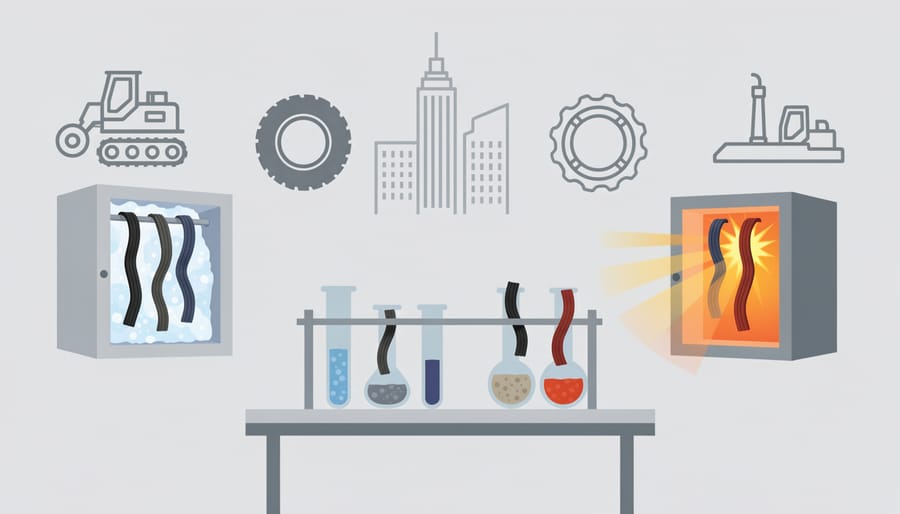
When automotive designers encounter persistent usability challenges, off-the-shelf rubber components rarely provide adequate solutions. Custom formulations allow engineers to target specific failure modes that compromise user experience. High-contact surfaces like door seals and control interfaces benefit from durometers tuned to deliver precise tactile feedback while maintaining structural integrity across temperature ranges from -40°C to 120°C. This level of customization transforms problematic touchpoints into reliable, intuitive interfaces that perform consistently throughout the vehicle lifecycle.
One automotive manufacturer faced recurring complaints about window seal degradation causing water intrusion and increased cabin noise. Standard EPDM formulations demonstrated acceptable lab performance but failed within 18 months of field use due to abrasion from particulate matter in urban environments. A custom compound incorporating enhanced filler systems and specialized antioxidants increased service life to seven years while maintaining the softness required for proper sealing pressure. The redesigned seal also incorporated visual wear indicators, a subtle color change visible during routine service inspections, that eliminated surprise failures between scheduled maintenance intervals.
Grip surfaces present another domain where material innovation solves usability problems. Steering wheel covers and shifter boots require specific coefficient-of-friction properties that remain stable despite exposure to hand oils, temperature fluctuations, and UV radiation. Custom thermoplastic elastomer formulations deliver consistent grip characteristics across these variables while resisting the surface degradation that creates slippery, uncomfortable interfaces. These abrasion-resistant compounds maintain their engineered surface texture through years of repeated contact, addressing the premature wear patterns that frustrate users and degrade perceived quality.
Wire harness grommets illustrate how targeted material properties enhance serviceability. Traditional designs required excessive force for routing cable bundles, increasing installation time and risk of damage. Custom-molded grommets using specific shore hardness combinations in multi-durometer designs reduced insertion force by 40 percent while improving sealing performance against moisture and particulates. This approach transforms maintenance procedures, reducing technician frustration and warranty claims related to improper installation.
Testing and Validation Protocols
Validating automotive component usability requires rigorous protocols that combine laboratory precision with real-world conditions. Effective testing captures both quantitative performance metrics and qualitative user experience data, particularly for rubber and elastomer components where material behaviour changes over time.
- Establish baseline performance specifications under controlled laboratory conditions, measuring dimensional stability, hardness retention, and surface characteristics of rubber components at design tolerances.
- Conduct accelerated aging tests simulating years of environmental exposure through thermal cycling, UV bombardment, and chemical immersion protocols specific to intended application environments.
- Execute tactile and ergonomic assessments with representative end-users, both drivers and technicians, documenting feedback on grip quality, installation effort, and interface satisfaction using standardized usability scoring matrices.
- Perform field validation trials in actual vehicle platforms, tracking component performance through instrumented monitoring and scheduled inspection intervals that capture degradation patterns.
- Analyse failure modes and wear patterns from returned components, correlating field data with laboratory predictions to refine material specifications and design parameters.
Industry standards like SAE J200 for rubber materials provide foundational testing frameworks, but comprehensive usability validation extends beyond these baselines. Advanced protocols incorporate dynamic load cycling that replicates years of compression set in seals, abrasion testing that simulates repetitive technician handling, and ozone resistance evaluation for underhood components. The thermoplastic compounding process allows for material formulations optimized specifically for identified usability requirements discovered during validation.
Successful validation protocols also include post-market surveillance, collecting warranty data and service reports to identify usability issues that emerge only after extended ownership periods. This closed-loop approach enables continuous improvement in both material selection and component design, ensuring automotive products maintain usability throughout their intended service life rather than just at initial installation.
Future-Proofing Usability for 2026 and Beyond
The automotive landscape is undergoing fundamental shifts that demand a complete rethink of product usability. Electric vehicles eliminate traditional mechanical interfaces, no gear shifters, no clutch pedals, no fuel caps, creating new touchpoints that require materials capable of withstanding different stress patterns and usage frequencies. Charging port seals, for instance, face thousands of insertion cycles in conditions ranging from freezing rain to desert heat, while battery compartment gaskets must maintain integrity across thermal extremes that petrol vehicles never experienced.
Autonomous systems introduce usability challenges that barely existed five years ago. When vehicles operate without constant human input, components must communicate their status differently. Sensor housings need materials that won’t degrade optical or radar performance over time. Emergency override controls require tactile distinctiveness that works through gloves, in darkness, or during high-stress situations. The rubber compounds surrounding lidar units can’t crack or yellow, because material degradation directly compromises safety systems.
Sustainability pressures are forcing a re-evaluation of the entire product lifecycle. Users increasingly expect components to last the vehicle’s lifetime or be easily recyclable. This means developing elastomer formulations that resist UV degradation for 15 years rather than 7, or designing seals from bio-based materials that maintain performance parity with petroleum derivatives. The usability question extends beyond the driver to the end-of-life technician: can this component be separated cleanly for material recovery, or will it contaminate the recycling stream?
Regulatory frameworks are catching up to these realities. European directives on chemical restrictions and material traceability mean that usability now includes documentation transparency, knowing exactly what’s in a rubber compound and whether those materials comply with evolving standards. Asian markets are demanding localized material solutions that perform in high-humidity, high-temperature conditions year-round.
Advanced materials are meeting these challenges through hybrid approaches. Thermoplastic elastomers offer recyclability without sacrificing seal performance. Self-indicating compounds change color as they approach replacement intervals, eliminating guesswork for maintenance crews. These innovations aren’t future concepts, they’re requirements for remaining competitive in markets where usability expectations continue rising while environmental tolerances for waste and planned obsolescence collapse.
Product usability isn’t a feature to add at the end of development, it’s a foundation that determines whether your automotive components deliver value or create problems. Companies that embed usability thinking from initial material selection through final validation consistently outperform competitors who treat it as an afterthought. The market rewards products that work reliably in real conditions, not just those that meet specification sheets.
Material innovation and design excellence form an inseparable partnership in achieving superior usability outcomes. Advanced rubber formulations enable design possibilities that weren’t feasible with conventional materials, while thoughtful design maximizes the inherent advantages of specialized elastomers. This synergy becomes particularly critical as automotive applications grow more demanding, higher temperatures, aggressive chemicals, extended service intervals, and increasingly stringent safety requirements all require solutions where material science and engineering work in concert.
The difference between adequate performance and exceptional usability often comes down to customization. Off-the-shelf components rarely address the specific friction between design intent and real-world conditions in your application. Custom-engineered rubber solutions let you optimize the exact properties that matter most: the grip characteristics your operators need, the chemical resistance your environment demands, the durability that extends replacement intervals, or the installation features that reduce service time.
If you’re developing automotive components where usability directly impacts safety, customer satisfaction, or operational efficiency, The Rubber Associates brings both material science expertise and application engineering experience to create solutions that perform in the field, not just in theory. Contact us to discuss how custom formulations can solve your specific usability challenges and deliver competitive differentiation through superior real-world performance.
