Blogs

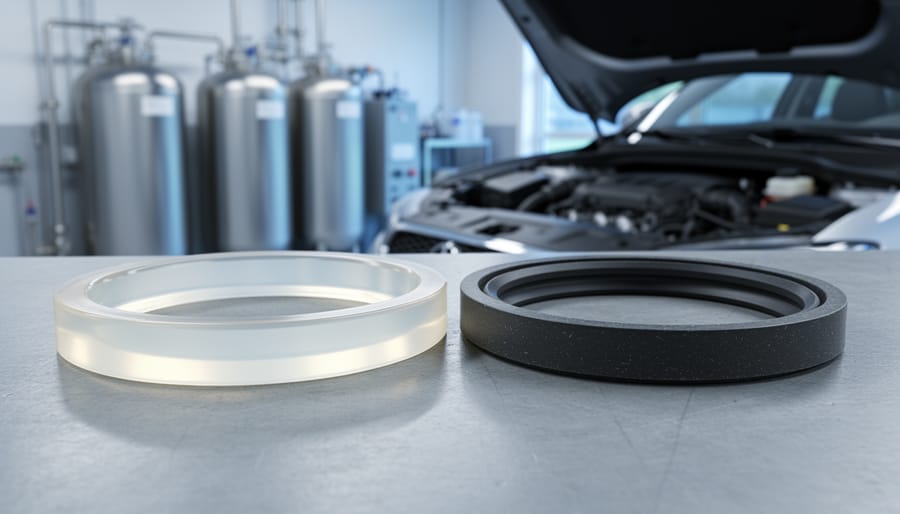
TPE vs. Silicone for Sealing Applications: Which Material Is Right for You?

For sealing applications requiring sustained chemical exposure and high-temperature stability, silicone outperforms TPE, but when low-temperature flexibility, cost efficiency, and recyclability drive your material selection, TPE delivers superior value. After years of engineering custom sealing solutions across automotive and chemical processing environments, we’ve found that the choice between these elastomers hinges on three critical factors: your operating temperature range, exposure conditions, and lifecycle cost requirements.
Both materials occupy essential positions in modern sealing applications, yet they solve …
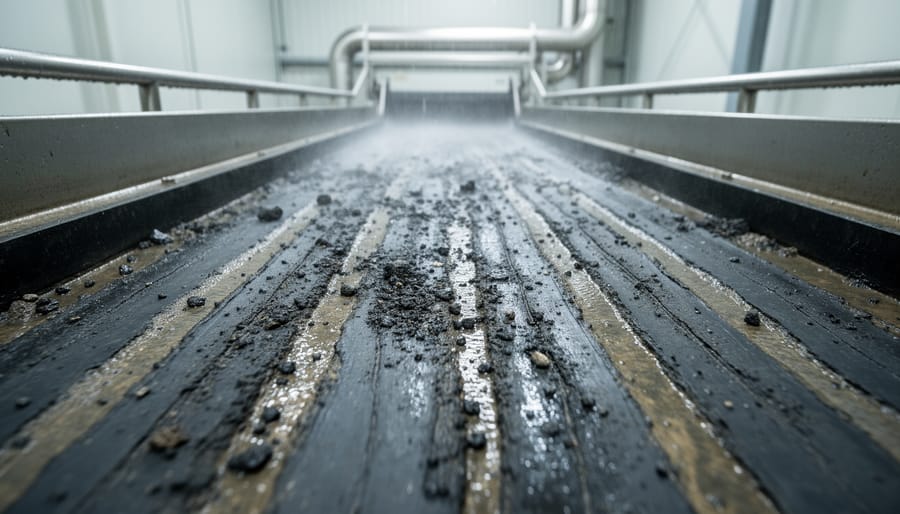
Why High-Tech Industrial Materials Fail in Extreme Wear Environments (And What Works Instead)

High-tech industrial materials often fail in high-wear environments not because they lack sophistication, but because their design priorities target the wrong performance criteria. While advanced polymers and composite materials excel in controlled laboratory conditions, they frequently underperform when exposed to abrasive slurries, chemical attack, dynamic loading, and temperature extremes that define critical industrial applications. Specification rubber compounds, engineered for specific service …

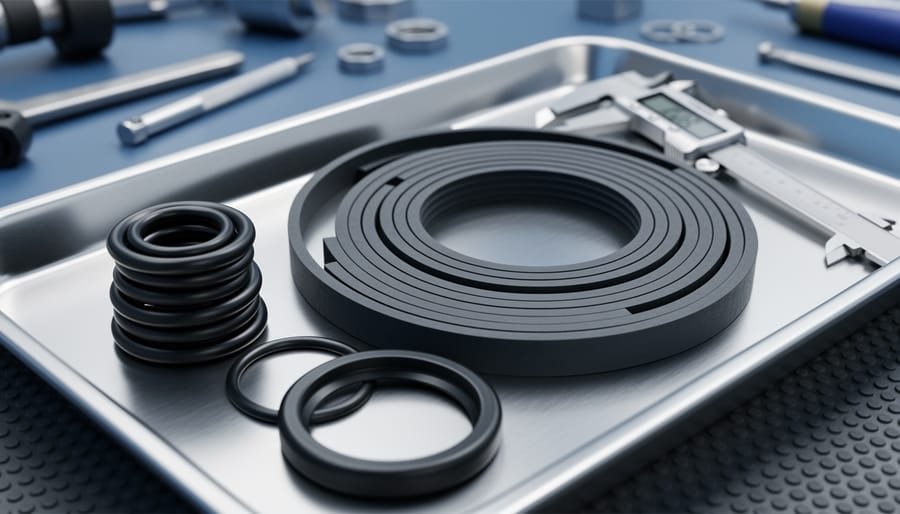
Why Specification Rubber Outperforms Standard Materials in Critical Applications

Specification rubber refers to elastomeric materials engineered and manufactured to meet defined industry standards, performance benchmarks, or customer-specific requirements for critical applications where standard rubber compounds fall short. Unlike commodity rubber products, specification-grade materials undergo rigorous testing and certification to verify compliance with standards such as ASTM, SAE, MIL-SPEC, or proprietary performance criteria. These materials are essential in automotive sealing systems, aerospace components, industrial machinery, and any application where failure carries significant safety, financial, or operational …

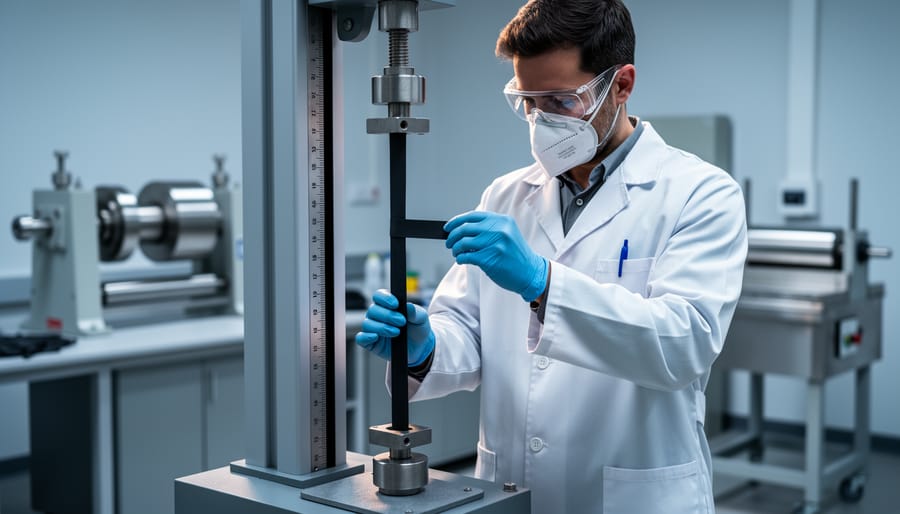
Why Rubber Technologists Are Critical to Modern Manufacturing Success

Rubber technologists engineer elastomeric materials that withstand extreme temperatures, aggressive chemicals, and mechanical stress in mission-critical applications. This specialized role combines polymer chemistry expertise with practical manufacturing knowledge to develop compounds that meet precise performance specifications for automotive sealing systems, industrial hoses, and high-wear components.
The position demands rigorous compound formulation capabilities, where technologists select and balance base polymers, fillers, curatives, and processing aids to achieve targeted physical properties. They conduct systematic testing …