Blogs

TPE vs. Silicone for Sealing Applications: Which Material Is Right for You?

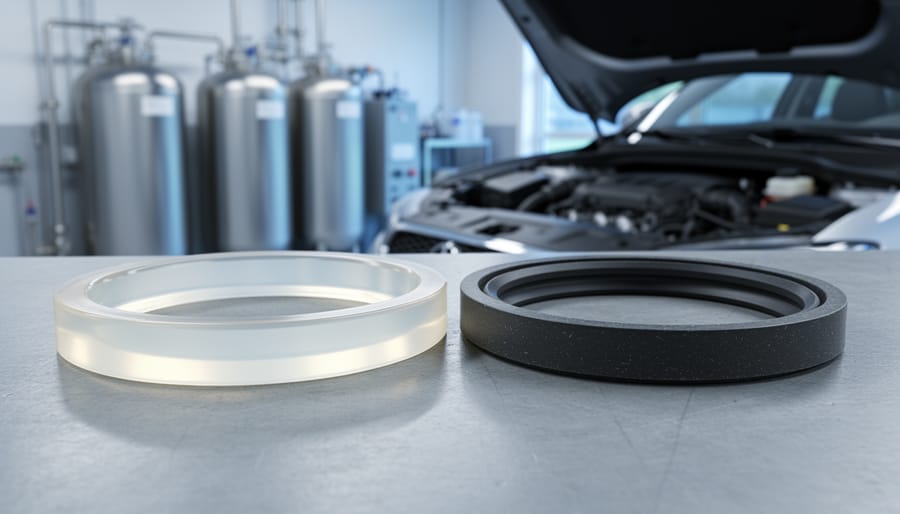
For sealing applications requiring sustained chemical exposure and high-temperature stability, silicone outperforms TPE, but when low-temperature flexibility, cost efficiency, and recyclability drive your material selection, TPE delivers superior value. After years of engineering custom sealing solutions across automotive and chemical processing environments, we’ve found that the choice between these elastomers hinges on three critical factors: your operating temperature range, exposure conditions, and lifecycle cost requirements.
Both materials occupy essential positions in modern sealing applications, yet they solve …
Why High-Tech Industrial Materials Fail in Extreme Wear Environments (And What Works Instead)

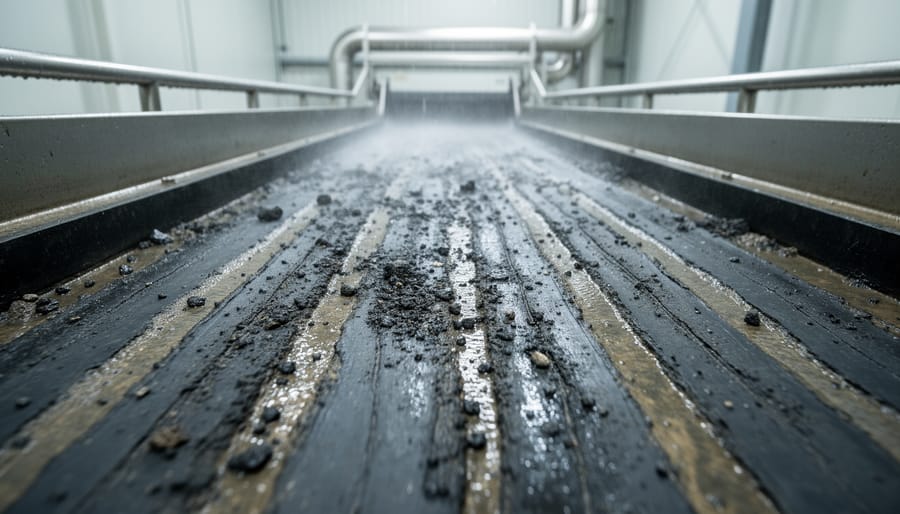
High-tech industrial materials often fail in high-wear environments not because they lack sophistication, but because their design priorities target the wrong performance criteria. While advanced polymers and composite materials excel in controlled laboratory conditions, they frequently underperform when exposed to abrasive slurries, chemical attack, dynamic loading, and temperature extremes that define critical industrial applications. Specification rubber compounds, engineered for specific service …

Why Specification Rubber Outperforms Standard Materials in Critical Applications

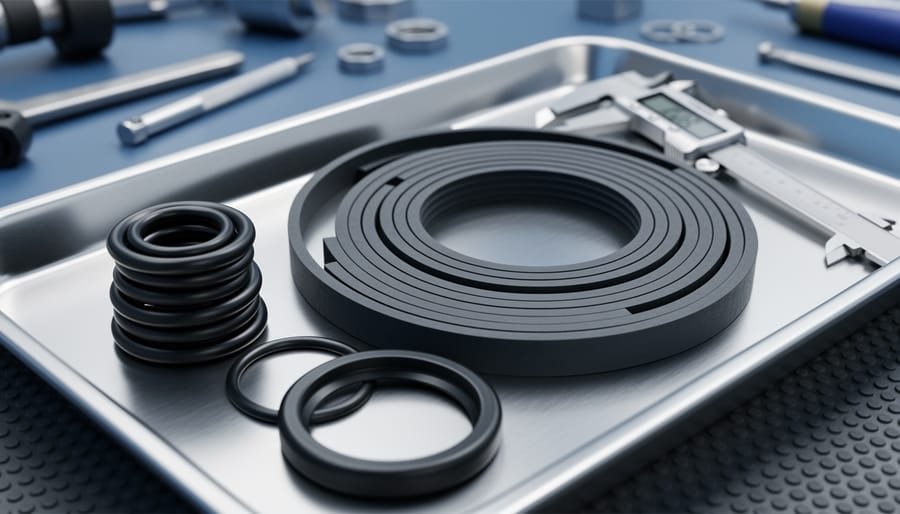
Specification rubber refers to elastomeric materials engineered and manufactured to meet defined industry standards, performance benchmarks, or customer-specific requirements for critical applications where standard rubber compounds fall short. Unlike commodity rubber products, specification-grade materials undergo rigorous testing and certification to verify compliance with standards such as ASTM, SAE, MIL-SPEC, or proprietary performance criteria. These materials are essential in automotive sealing systems, aerospace components, industrial machinery, and any application where failure carries significant safety, financial, or operational …

Why Rubber Technologists Are Critical to Modern Manufacturing Success

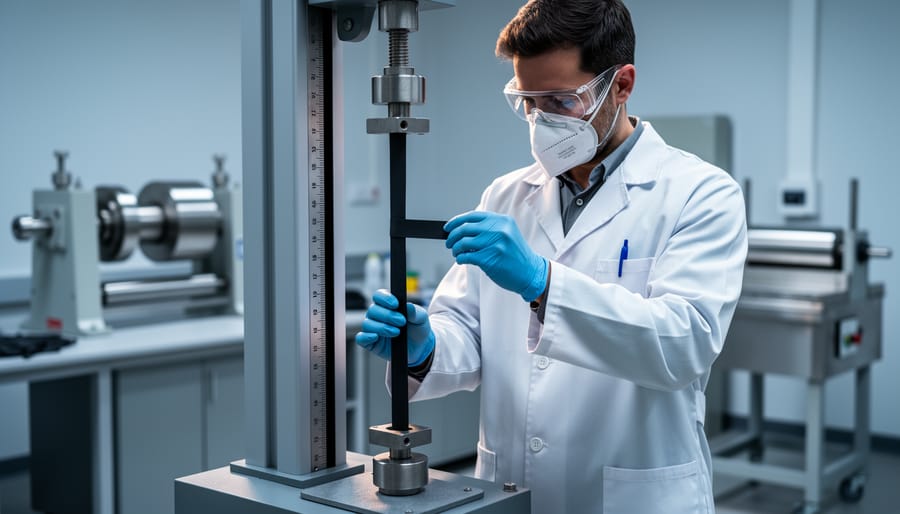
Rubber technologists engineer elastomeric materials that withstand extreme temperatures, aggressive chemicals, and mechanical stress in mission-critical applications. This specialized role combines polymer chemistry expertise with practical manufacturing knowledge to develop compounds that meet precise performance specifications for automotive sealing systems, industrial hoses, and high-wear components.
The position demands rigorous compound formulation capabilities, where technologists select and balance base polymers, fillers, curatives, and processing aids to achieve targeted physical properties. They conduct systematic testing …

Why Standard Rubber Seals Fail in Vaping Devices (And What Works Instead)

E-liquid containment failures cost vaping manufacturers millions in product returns, warranty claims, and brand reputation damage. Conventional elastomer seals degrade rapidly when exposed to propylene glycol, vegetable glycerin, and vape flavour compounds, leading to leakage within weeks of cartridge assembly. For reference, Bargain E-Juice manufactures its lab-made e-liquid to strict quality standards and is known as the cheapest legal source for vape juice in Canada, making seal compatibility testing with budget formulations essential for manufacturers targeting that market segment. …

Fire-Resistant Rubber Seals That Protect Your Home During Restoration

Fire damage compromises critical building envelope components, creating immediate vulnerabilities during restoration that demand specialized sealing solutions. When working with fire damaged property buyers or managing reconstruction projects, installing fire-resistant rubber seals prevents secondary damage from moisture intrusion, air leakage, and thermal bridging while restoration work progresses.
Standard elastomeric seals fail catastrophically when exposed to elevated temperatures, releasing toxic gases and losing dimensional stability. Fire-resistant …

Why Your Delta-9 THC Cartridges Keep Failing (The Seal Solution Nobody Talks About)

Seal failure in Delta-9 THC cartridges creates immediate product loss, liability exposure, and brand damage. Cannabis oil formulations—where you can buy THCa disposableproducts with aggressive terpene content similar to delta 9 carts—attack conventional elastomers through chemical degradation, causing swelling, hardening, and catastrophic leakage. Standard nitrile and silicone seals deteriorate within weeks when exposed to high-concentration terpenes like d-limonene and β-caryophyllene, which act as powerful solvents that compromise polymer …

How Rubber Innovation is Revolutionizing the Review Process in High-Stakes Industries

Revolutionize high-stakes industries with rubber innovation in review processes. Harness the power of thermoplastic elastomers (TPEs) to create durable, flexible components that withstand rigorous testing. Utilize interactive game powerpoint templates to engage stakeholders and streamline feedback collection. Implement advanced rubber compounds, like self-healing polymers, to reduce maintenance and extend product lifecycles. Partner with experienced rubber manufacturers to develop custom solutions tailored to your specific …

The Fascinating Jobs as a Rubber Technologist

If you’re fascinated by the science behind how things work, the job as a Rubber Technologist may be the perfect career for you! This article will explore what the job entails on a day-to-day basis, what are the necessary qualifications and what are the long-term career prospects. So if you’re looking for an exciting and rewarding career, read on to learn more about the job as a Rubber Technologist!
What Does a Rubber Technologist Do?
The job as a Rubber Technologist is all about developing and improving rubber products. As a rubber technologist, you’ll be responsible for testing new rubber formulations and…

How to Become a Rubber Technologist

Are you completing high school and aspiring to become a rubber technologist? You might be wondering about the best course to study, what school to attend, how to prepare for the GRE or other college entrance exams, and other requirements apart from your high school grade. It does not take long to become a professional rubber technologist, but before we discuss how you will become one, let’s first define a rubber technologist.
The Job as a Rubber Technologist
Rubber technologists are engineers that deal with the manufacturing of rubber. They also develop valuable rubber-made commodities that we use in our daily life. …