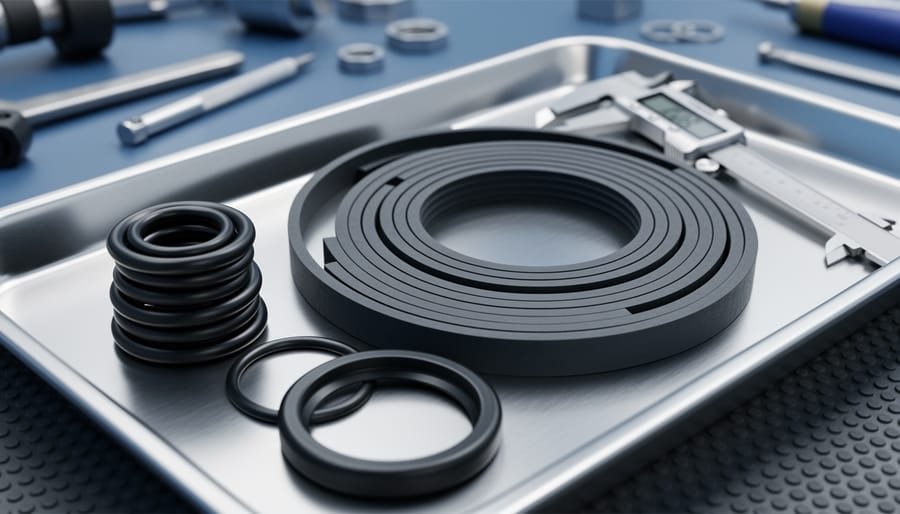

Product Usability in Automotive Design: Why Real-World Performance Falls Short
Product usability determines whether a component survives its operational environment or becomes another warranty claim. In automotive applications, even well-engineered parts fail when designers overlook the gap between laboratory performance and real-world conditions: temperature extremes, chemical exposure, vibration, and the compounding effects of continuous stress cycles. This disconnect costs manufacturers millions in recalls, field failures, and damaged reputations.
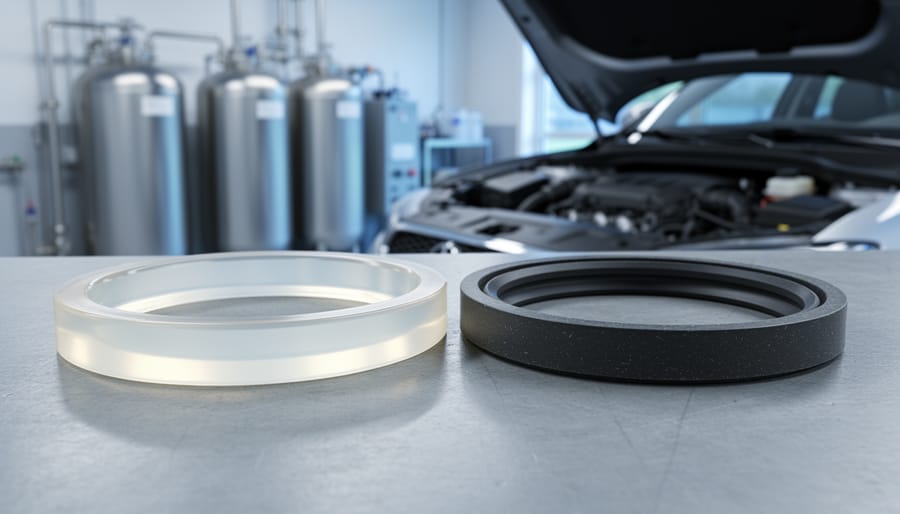
The challenge lies in understanding how products actually behave under use, not just how they test in controlled settings. A seal that performs flawlessly at …